Home aquarium keeping has evolved from a niche hobby to a mainstream form of relaxing, nature-inspired home decor. As consumer habits shift toward small-space living, low-effort maintenance, family safety, and interior aesthetics, the home aquarium lighting industry is undergoing a full-scale transformation.
This blog analyzes the 2026 industry landscape, technological iterations, consumer trends, safety compliance, and future development directions – exclusively for the home residential market.
1. The Evolution of Home Aquarium Lighting (3 Generations of Industry Development)
Generation 1: Obsolete Fluorescent Tubes (Phased Out)
Old T5/T8 tube lights, high energy consumption, excessive heat, fragile glass, mercury-containing (eco-unfriendly), and unsafe for home use. Fully eliminated from modern household aquariums.
Generation 2: Standard LED Lights (Mass Market Mainstream)
Low power usage, long lifespan, affordable pricing – meets basic home aquarium lighting needs. Limitations: single spectrum, no dimming, basic heat dissipation, and rampant false spec labeling in budget models.
Generation 3: Smart Full-Spectrum LEDs (2026 Home Industry Standard)
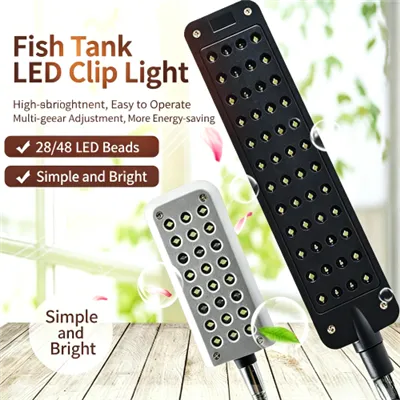
The current gold standard for home use: WRGB adjustable color, APP remote control, sunrise/sunset simulation, IP68 waterproofing, aluminum heat dissipation, and precision photosynthetic spectrum. Chinese domestic brands now offer 1:1 performance to premium imported brands at 1/3 the cost, dominating the global home lighting market.
2. 4 Key 2026 Industry Trends for Home Aquarium Lighting
1. Compact & Nano-Focused for Small Urban Homes
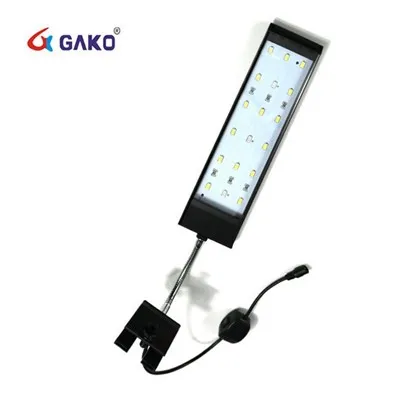
With the rise of studio apartments, rental homes, and desktop mini-aquariums, ultra-slim clip-on lights, USB low-voltage nano lights, and space-saving bracket lights are the fastest-growing segments. Designed for 20–50cm small home tanks, they fit seamlessly into modern tight living spaces.
2. Smart Automation – A Must-Have for Lazy Home Hobbyists
Today's home aquarists prioritize convenience over constant maintenance. Programmable timers, sunrise/sunset simulation, one-touch scene modes, and APP control are no longer premium features – they're standard in mid-range home lighting. Automated lighting cuts algae growth by 60% and eliminates daily manual upkeep.
3. Aesthetic Integration – Lighting as Home Decor
Modern home aquariums are as much about interior design as fishkeeping. Manufacturers now prioritize soft, glare-free illumination, adjustable ambient color modes, and sleek minimalist fixtures. Home aquarium lighting has shifted from a functional device to a decorative piece that complements living rooms, entryways, and home offices.
4. Domestic Budget Alternatives Disrupt Premium Pricing
Once dominated by expensive imported brands, the home aquarium lighting market is now led by cost-effective Chinese manufacturing. Mature supply chains in the Pearl River Delta deliver 3C-certified, IP68 waterproof, full-spectrum home lights at under $50 – professional quality at entry-level prices, making high-performance lighting accessible to all home hobbyists.
3. Non-Negotiable Safety & Compliance Standards (Home Use Mandatory)
As a water-contact electrical product for household use, aquarium lighting is strictly regulated globally:
3C Certification (China): Compulsory for all plug-in home aquarium lights; uncertified counterfeit products risk electrocution and fire hazards in wet environments.
RoHS Compliance: Eco-friendly, mercury-free, non-toxic materials that won't leach chemicals into tank water or harm fish/plants.
Low-Voltage DC Options: Safer for families with children and elderly members, eliminating electric shock risks.
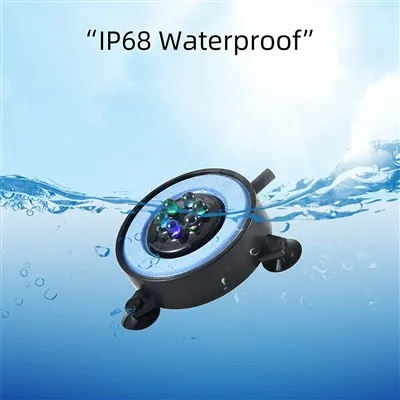
IP68 Waterproof Testing: All submersible home models must pass full immersion aging tests before market release.
4. Current Industry Pain Points for Home Consumers
False Specification Fraud: Budget brands routinely overstate wattage, falsely label "full-spectrum," and fake waterproof ratings – leading to rapid light decay and poor performance.
Misapplication of Specialist Lights: Retailers often sell marine reef lights and industrial high-power lights for home freshwater tanks, causing irreversible algae and plant death.
Poor Heat Dissipation Cutting Corners: Cheap plastic housings overheat during long home use, burning out LED chips within months.
Low-Quality Flickering Drivers: Invisible high-frequency flickering damages fish eyes and human vision; only constant-current drivers are safe for long-term home use.
Industry Golden Rule for Home Buyers: Prioritize spectrum, match power to tank size, verify waterproof ratings, use timer controls, and always check safety certifications.
5. Future Industry Directions for Home Aquarium Lighting (2026–2028)
Smart Home Ecosystem Integration: Sync lighting with filters, heaters, and water monitors for fully automated home aquariums.
AI Adaptive Lighting: Auto-adjust brightness and duration based on plant growth, algae levels, and tank conditions.
Ultra-Efficient Low-Power Design: Next-gen LED tech reduces home energy usage to near-zero annual operating costs.
Seamless Home Interior Design: Integrated, minimalist fixture designs that blend with modern home decor and custom aquarium cabinetry.