In recirculating aquaculture systems (RAS), maintaining stable water quality is one of the most important factors for healthy fish growth. While most farmers focus on filtration, oxygen levels, and feeding management, lighting is often overlooked. However, water turbidity can significantly influence how light travels through the water and ultimately affect fish behavior, growth, and overall system performance.
What Causes Water Turbidity in RAS?
Water turbidity refers to the cloudiness of water caused by suspended particles and dissolved substances. In RAS environments, turbidity mainly comes from three sources:
Suspended Solids
These include fish waste, uneaten feed, biological flocs, and dead microorganisms. Fine particles remain suspended in the water for long periods and are difficult to remove through natural settling.
Dissolved Organic Matter
Organic compounds such as proteins, amino acids, humic acids, and other decomposition products can increase light scattering and contribute to reduced water clarity.
Microbial Communities
Bacteria and biofilms attach to suspended particles, forming larger aggregates that further increase turbidity and reduce light penetration.
As feeding intensity increases and filtration efficiency decreases, turbidity levels can rise rapidly. In intensive aquaculture systems, poor solid waste removal may cause turbidity to increase dramatically within a short period of time.
How Does Turbid Water Affect Light Penetration?
Light traveling through water is affected by both scattering and absorption.
Light Scattering
When suspended particles are similar in size to the wavelength of visible light, they scatter incoming light and reduce penetration depth. Shorter wavelengths such as blue and green light are scattered more easily than longer wavelengths.
Light Absorption
Dissolved organic compounds absorb portions of the light spectrum, especially ultraviolet and blue wavelengths. This further reduces the amount of usable light reaching deeper water layers.
As turbidity increases, the effective penetration depth of light decreases significantly. Fish and aquatic plants living in deeper areas may receive much less light than intended, even when powerful lighting systems are used.
How Does Aquarium Lighting Affect Fish?
Proper aquarium lighting does more than improve visual appearance. Light influences many biological functions in fish.
Regulates Biological Rhythms
Fish rely on daily light cycles to regulate circadian rhythms. Consistent lighting helps maintain normal feeding patterns, growth, and reproductive behavior.
When water becomes excessively cloudy, reduced light penetration may disrupt these natural rhythms and increase stress levels.
Influences Feeding Behavior
Many fish species locate food primarily through vision. Poor lighting conditions can make it more difficult for fish to detect feed particles.
Reduced visibility may lead to:
- Lower feeding efficiency
- Increased feed waste
- Slower growth rates
- Reduced feed conversion performance
Supports Growth and Development
Proper light intensity and spectrum can encourage healthy growth. Studies have shown that different wavelengths may influence fish metabolism, activity levels, and muscle development.
For example, red-spectrum lighting is often associated with improved growth performance in certain aquaculture species due to its stronger penetration in turbid water.
Reduces Stress
Stable lighting conditions create a more predictable environment for fish. Sudden changes in brightness or inadequate illumination may cause stress responses that negatively affect health and immunity.
How Does Lighting Affect Aquatic Plants?
In planted aquariums and integrated aquaculture systems, aquatic plants require sufficient light for photosynthesis.
When turbidity becomes too high:
- Photosynthetic efficiency decreases
- Plant growth slows
- Oxygen production is reduced
- Nutrient uptake becomes less effective
As a result, overall water quality may decline because plants remove less nitrogen and phosphorus from the system.
Choosing the Right Waterproof LED Aquarium Light
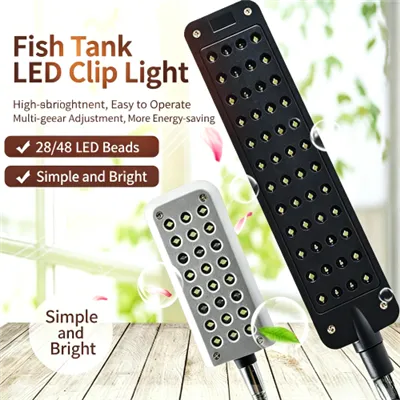
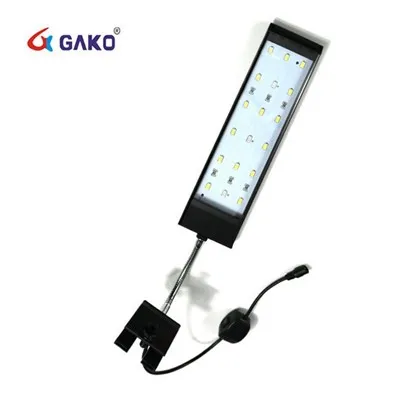
For aquariums and RAS systems with cloudy water conditions, selecting the proper LED lighting solution is essential.
Prioritize Light Penetration
Longer wavelengths, especially red light, generally penetrate turbid water more effectively than shorter wavelengths. This makes red-spectrum LEDs useful for deeper tanks and systems with moderate turbidity.
Use Full-Spectrum Lighting
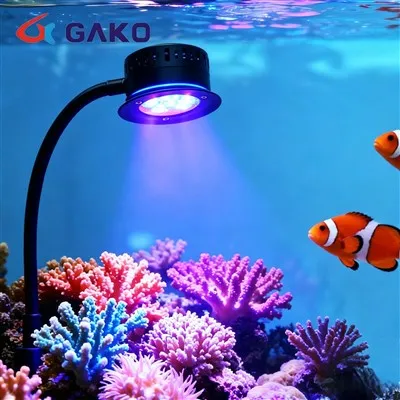
A balanced full-spectrum aquarium light combines red, green, blue, and white LEDs to support both fish and aquatic plants while maintaining natural color appearance.
Adjustable Brightness Control
LED lights with dimming functions allow users to compensate for changes in water clarity and create suitable lighting conditions throughout the day.
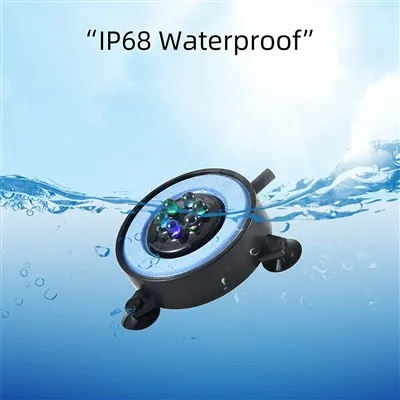
Waterproof and Easy-to-Clean Design
High-quality waterproof LED aquarium lights should feature:
- Reliable waterproof protection
- Corrosion-resistant housing
- Efficient heat dissipation
- Easy maintenance and cleaning
These features help maintain consistent lighting performance in humid aquatic environments.
Conclusion
Water turbidity has a direct impact on how light travels through an aquarium or recirculating aquaculture system. Reduced light penetration can affect fish feeding behavior, biological rhythms, growth performance, and plant photosynthesis.
Selecting a suitable aquarium plant light, especially a high-quality waterproof LED aquarium light, helps maintain stable illumination even under challenging water conditions. By combining proper filtration with appropriate lighting, aquarists and aquaculture operators can create a healthier environment for both fish and aquatic plants.
Whether you manage a large RAS facility or a planted home aquarium, understanding the relationship between water clarity and lighting is an important step toward achieving better fish health and long-term system stability.