1. Aquatic Plant Varieties
There are more than 300 kinds of aquatic plants. Based on their planting position in the aquarium, they are generally divided into foreground plants, mid‑ground plants and background plants.
‑Foreground plants: Small, low‑growing species planted in the front section of the tank, such as Hemianthus callitrichoides, carpet grass, Eleocharis parvula and Hydrocotyle verticillata. ‑Mid‑ground plants: Planted in the middle zone between foreground and background, including Microsorum pteropus, Nuphar and Bacopa caroliniana. ‑Background plants: Tall, large‑sized species placed at the rear of the aquarium, such as Rotala rotundifolia, Ceratophyllum demersum, Egeria densa and Hygrophila difformis.
2. Pre‑Preparation Before Aquascaping
Before buying your aquarium, visit local fish stores and aquatic‑plant shops to learn basic aquascaping knowledge and aquarium‑equipment operation skills, so you can select cost‑effective supplies. Inform shopkeepers of your tank dimensions, budget, planned plant and fish species, and they can offer professional layout suggestions. (Editor's note: Exercise caution and only take advice from trusted retailers.)
Aquarium Tank Tanks come in various styles, colours and sizes. Choose your style and colour according to personal preference or home‑decor tone. Tank specifications depend on available space, aquascape theme, adult fish size and your budget.
Filtration Equipment All filters must provide two core functions: a. Mechanical filtration: Remove visible waste and debris. b. Biological filtration: Break down invisible harmful substances such as ammonia, nitrogen, nitrite and organic pollutants to achieve harmless water treatment. Every filter needs matching filter media: filter‑wool and activated carbon for strong mechanical filtration; resin, bio‑balls and sintered ceramic rings for biological filtration. Select top‑mounted, external, internal or under‑gravel filters according to tank volume and livestock.
Air Pump Air pumps deliver oxygen through air stones. In modern planted tanks, air pumps are mostly used to drive water flow for filters, completing filtration and aeration at the same time. An extra air pump is recommended for emergency oxygen supply when you keep a high fish load.
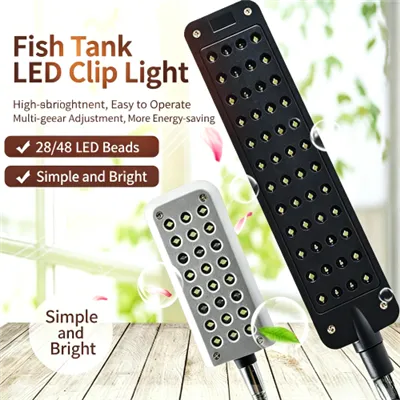
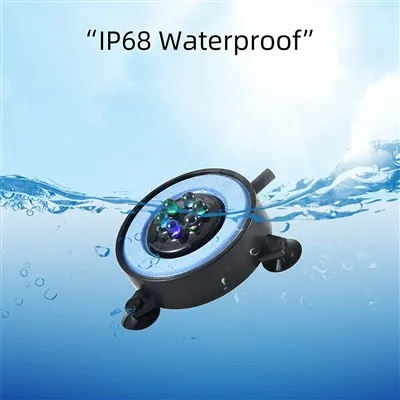
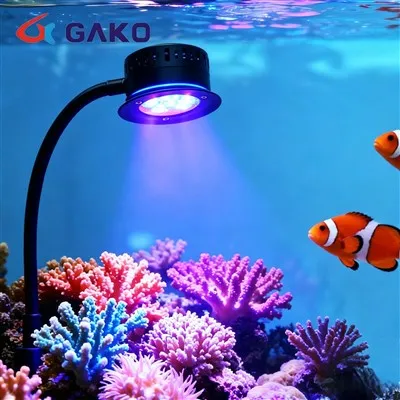
Lighting Fixtures A wide range of aquarium lights are available. Select lights suitable for aquatic‑plant photosynthesis and fish viewing, including fluorescent lamps, mercury‑vapour lamps and metal‑halide lamps. Light‑intensity reference: 30‑50 lumens per litre of water. Typical output: mercury lamp 53 lumens/W, metal‑halide lamp 75 lumens/W, Lumilux fluorescent lamp 95 lumens/W. Check the waterproof performance of all light fixtures. Recommended lighting hours: 8:00‑18:00 or 8:00‑20:00.
Temperature‑control Equipment Tropical fish and aquatic plants require stable water temperature between 20‑30℃. Heaters are needed in winter and cooling devices in summer. Equip your tank with adjustable heaters, thermometers and chillers to monitor water temperature. For example, two 100 W heaters are preferred over one 200 W heater. If one unit fails, the second heater can still work as backup.
CO₂ System Carbon dioxide supplies nutrition for plant photosynthesis and maintains the carbonate‑bicarbonate balance in aquarium water. Higher light intensity and denser plant growth increase carbonate precipitation, raising CO₂ demand. A CO₂ diffuser is commonly used. Bubble‑rate guideline: 1 bubble/second for small planted tanks, 2 bubbles/second for medium tanks, 3 bubbles/second for large tanks.
Maintenance Tools Essential supplies include siphon tubes for water‑change waste removal, fish nets, plant tweezers and glass‑cleaning scrapers.
Substrate Sand Substrate is critical for plant root growth. Choose inert natural river sand free of limestone. Popular aquascaping substrates include American silica sand and Dutch sand. Avoid cheap construction sand knock‑offs. They inhibit plant growth and reduce the efficiency of liquid fertilisers and fish medication.
Decorations Ornaments contain hardscape materials such as rocks, driftwood, water‑wheel ornaments and artificial bamboo rafts; rocks and driftwood are the most widely used. Match decorations with your aquascape style. Ensure rocks contain no calcium carbonate or quicklime. Driftwood must be scrubbed and soaked thoroughly before use to prevent tannin‑related water discoloration.
Aquatic Plants Draw a planting layout sketch before purchase to decide plant varieties and quantities. Learn each species' growth requirements and planting habits. Select healthy plants with no rotten leaves or roots, then clean and disinfect them.
Fish Selection There are two common planted‑tank styles: fish‑focused tanks with plants as minor decoration; and heavily‑planted aquascapes with fish as finishing accents. Choose fish species that do not nibble plants or dig substrate, are compatible with aquatic plants and suitable for community‑tank life. Stock a mix of top‑dwelling, mid‑water and bottom‑dwelling fish. Small tropical fish such as neon tetras and guppies are popular choices. Consult experienced aquarists or retailers before adding new fish.
Plant Nutrients & Fish Food Aquatic‑plant nutrition comes from substrate fertilisers, liquid fertilisers, iron supplements and growth stimulants. Feed fish sparingly in planted aquariums to avoid water pollution. Use high‑quality, cloud‑free pellet food. Feed 2 hours after turning the lights on in the morning and 2 hours before lights‑out in the evening. Stop feeding once fish spit food out; all food should be consumed within 2‑3 minutes.