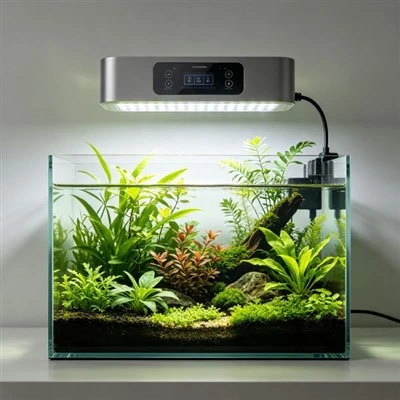
1. The idea and how fish biological clocks work
Like us, fish have a "biological clock" that responds to changes in day and night in a natural way. Light changes are the key thing that causes this rhythm. It controls fish's activity, feeding, and resting through the neurological and endocrine systems. Fish in the wild use the variations in sunlight at dawn and dusk to keep track of time, which helps them live a steady life. In man-made aquatic habitats, this cycle may be disturbed if the light isn't controlled properly. This can cause fish to get stressed, lose their appetite, and even impair their immune systems. So, mimicking natural light cycles is a vital way to keep fish healthy, and aquarium lights are a key instrument for doing this.
2. How do aquarium lights change the biological clock of fish
By changing the time and brightness of the lights, aquarium lights directly affect the biological rhythms of fish. When the light comes on at the same time every day, fish will slowly get used to this routine and become active when the light comes on. When the light goes off, they go back to sleep. This uniformity can help fish establish a consistent life rhythm. Changes in light intensity can also modify how fish act. For example, stronger light usually means more activity throughout the day, whereas lower light is more like sunset or overnight. Setting the timing and brightness of the lights at a reasonable level can make artificial environments look like they are changing from day to night, which helps fish's biological clocks stay on track.
3. How a consistent photoperiod affects the health of fish
A constant photoperiod is very important for the health of fish. First, it can lower the stress response in fish, which makes it simpler for them to adjust to their surroundings and lowers the chance of getting sick. Second, regular lighting can help fish eat more efficiently by letting them develop feeding patterns at certain times. A stable biological clock can also help fish grow and reproduce normally. In certain ornamental fish species, photoperiod can influence hair colour expression. from a long-term breeding point of view, good lighting management can not only make things look better, but it can also raise the total breeding success rate.
4. How to use aquarium lights in real life to adjust the photoperiod
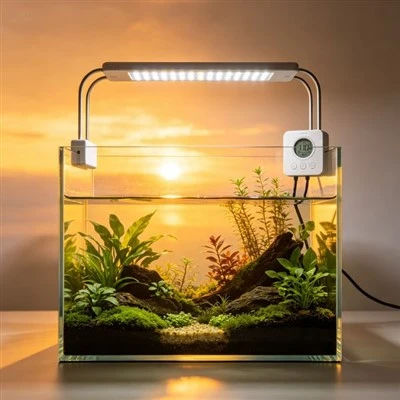
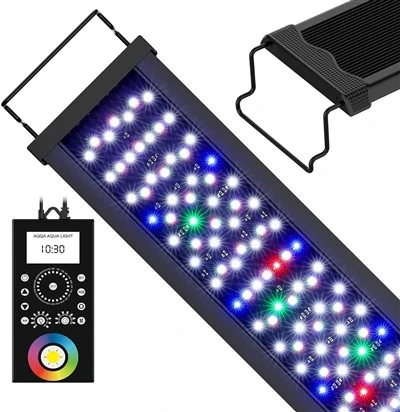
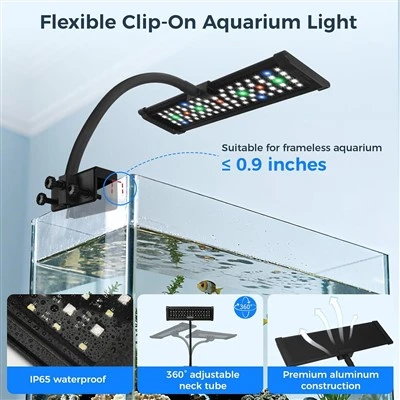
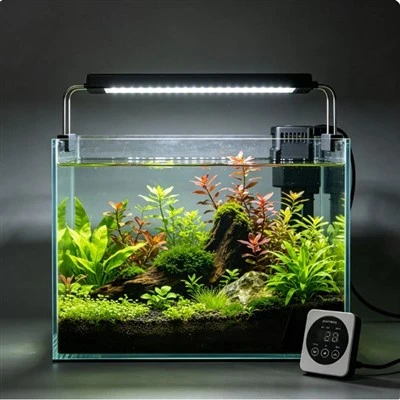
Timers or smart control systems can be used to control when aquarium lights turn on and off in real life. Most people say that you should get 6 to 10 hours of sunlight every day and try to turn on and off the lights at the same times every day to keep a steady rhythm. If the conditions are perfect, a method of gradually brightening and lowering the lights can be employed to mimic the natural process of sunrise and sunset. This can help fish feel less stressed. Also, different types of fish need varied amounts of light, which should be changed based on the type of fish. For instance, tropical fish normally need a photoperiod that doesn't change much, whereas nocturnal fish need a light environment that isn't too bright. It is possible to govern fish circadian cycles well by setting up illumination in a scientific way.
5. Conclusion: Do aquarium lights help fish keep their biological clocks in sync
aquarium lights not only help fish keep their biological clocks in sync, but they are also almost necessary instruments in artificial breeding conditions. Setting the right amount of time, intensity, and variety for the lights can help fish live a healthy and stable life by mimicking their natural environment. But it's vital to remember that the steadiness and regularity of the light are more important than just how bright it is. Fish can only make a good biological clock when the photoperiods are consistent for a long time. So, it is best to employ more than one timing control system in real life to get better and more automatic lighting management.