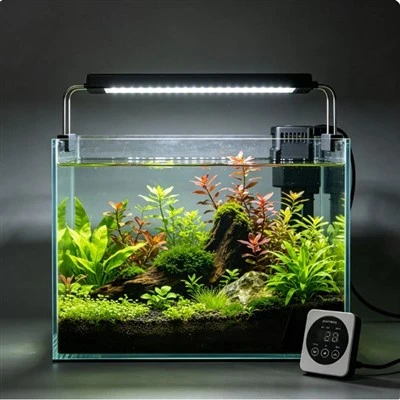
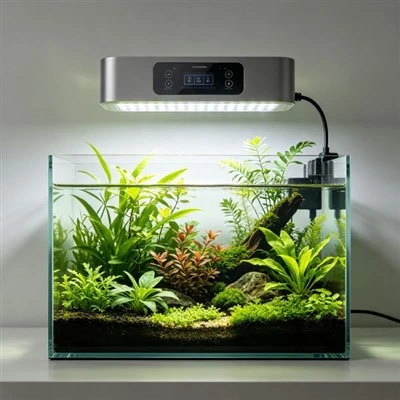
The main functions of aquarium water pumps include the following aspects:
Physical filtration: The water pump extracts water and its impurities, such as garbage and fish feces, from the aquarium, removes these impurities through a filtration device, and keeps the water clean.
Biochemical filtration: The water pump promotes water circulation, prevents dead water, and converts toxic and harmful substances into non-toxic and harmless substances through nitrifying bacteria to maintain the biochemical balance of water quality.
Oxygenation: The water pump promotes water circulation and increases the oxygen content in the water through continuous work to ensure that the breathing needs of fish and other aquatic organisms are met.
Preventing dead water phenomenon: The water pump promotes water circulation, prevents the occurrence of dead water phenomenon, and keeps the water fresh and vibrant.
Gas exchange: The water pump can diffuse oxygen-rich water into the main tank, increase the oxygen content in the water, and avoid the accumulation of harmful substances in the main tank.
Frequency conversion function: Some high-end water pumps are also equipped with frequency conversion function, which can simulate tidal effects and enhance the diversity of aquatic ecology.