What Each Light Actually Does
Aquarium Display Lights - Viewing and Plants
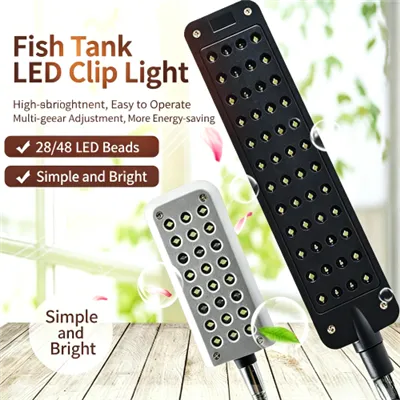
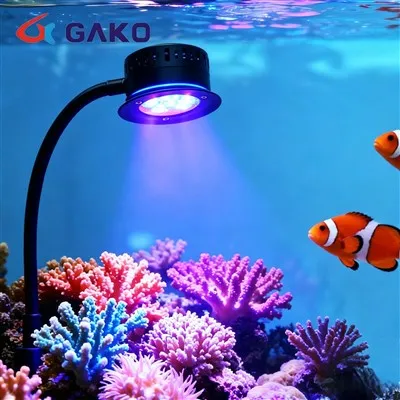
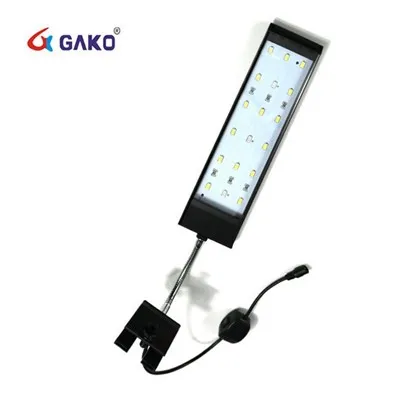
Your display light is what makes the tank come alive to your eyes and what powers any live plants. It controls color, brightness, and the overall look of the aquarium. This is the job of a good LED fixture, whether a slim clip model or a full-spectrum unit, and it has nothing to do with animal health beyond making a pleasant, well-lit environment.
UVB Lights - Health and Vitamin D3
A UVB lamp produces ultraviolet B light, which certain animals use to make vitamin D3 in their skin. Vitamin D3 lets them absorb calcium from their food, and calcium builds strong bones and shells. Without UVB, these animals cannot use calcium properly, and they develop serious bone and shell disease over time. So UVB is not about looks at all; it is a health requirement for the animals that need it. Here is the difference at a glance.
|
Light Type |
Main Job |
Who Needs It |
|
Display / plant LED |
Viewing and plant growth |
Every aquarium |
|
UVB lamp |
Vitamin D3 and calcium absorption |
Turtles, amphibians, reptiles |
Do Fish Need UVB
This is one of the most common questions, and the answer relieves a lot of worried fishkeepers: most fish do not need UVB. Fish get the vitamin D they need from their diet, so a normal display light is all a fish-only or planted tank requires. UVB becomes important when your setup includes animals that bask, such as turtles, or amphibians and reptiles in a paludarium or vivarium. So the rule of thumb is simple: a pure fish or planted tank needs good Aquarium Lights and nothing more, while a tank with basking reptiles or turtles needs a UVB lamp added on top.
|
Setup |
Display Light |
UVB Lamp |
|
Fish-only or planted tank |
Yes |
Not needed |
|
Turtle tank |
Yes |
Required |
|
Paludarium with reptiles |
Yes |
Required |
When and How to Combine Them
Turtle Tanks and Paludariums
The classic case for combining lights is a turtle tank or a paludarium that mixes water, land, plants, and animals. Here you genuinely need more than one light source, each doing its own job. The display light makes the scene look good and grows the plants, while the UVB lamp protects the animals' health.
Layout: Display Light Plus UVB Plus Basking Heat
A proper turtle or reptile setup usually runs three lights working together. A display light, often a vivid RGB Clamp Aquarium Light or a clip fixture, handles viewing, plant growth, and the visible color that makes the habitat look natural. A UVB lamp provides the ultraviolet the animal needs for healthy bones and shell. And a basking heat lamp creates a warm spot where the animal can sunbathe and raise its body temperature. Each one is essential, and none can do the others' jobs. Arranging all three over the basking area, where the animal spends its sunning time, ensures the animal gets light, UVB, and heat all in the right place.
Getting UVB RightOutput, Distance, Replacement
Understanding UV Index in Simple Terms
UVB strength is often described by a UV Index, a simple number that tells you how strong the ultraviolet is at the animal's basking spot. Different animals need different levels, and the strength drops fast with distance, so mounting height matters a great deal. Too far away and the UVB is useless; too close and it can harm the animal. Follow the lamp maker's distance guidance for your species.
Why UVB Lamps Must Be Replaced
Here is a detail that catches many owners out: a UVB lamp keeps producing visible light long after it stops producing useful UVB. The ultraviolet output fades over months even though the lamp still looks bright. That is why UVB lamps must be replaced on a schedule, typically every 6 to 12 months, regardless of whether they still light up. An old lamp that looks fine can leave an animal slowly starved of UVB.
|
UVB Lamp Type |
Typical UV Index |
Replace Every |
|
Low output (5.0 / T8) |
Lower |
6 – 12 months |
|
High output (10.0 / T5) |
Higher |
9 – 12 months |
SafetyUVB Is Powerful
UVB is the same kind of light that gives humans sunburn, so it must be handled with respect. Mount it at the correct distance so it is strong enough to help but not so close that it harms the animal's eyes or skin. Remember that ordinary glass blocks UVB, so the lamp must shine through a metal mesh or open top, not a glass lid, or the animal gets nothing. And never point a UVB lamp where it shines into your own eyes. Used correctly, UVB is safe and essential; used carelessly, it can cause harm, which is why understanding it matters.
Real-World Scenarios
A Turtle Tank Setup
A typical turtle tank runs a display light for viewing and any plants, a UVB lamp over the basking dock, and a heat lamp to warm that dock. The turtle climbs out, basks under all three, makes its vitamin D3, absorbs calcium, and grows a healthy shell, while the owner enjoys a bright, natural-looking tank. Remove the UVB and the tank still looks fine, but the turtle's health quietly declines.
A Paludarium with Plants and Animals
A paludarium blends an underwater section with a planted land area and basking animals. Here a quality display light grows the lush plants and shows off the scene, while a carefully placed UVB lamp keeps any reptiles or amphibians healthy. It is a beautiful setup precisely because the right lights each do their part.
Materials and Build Quality
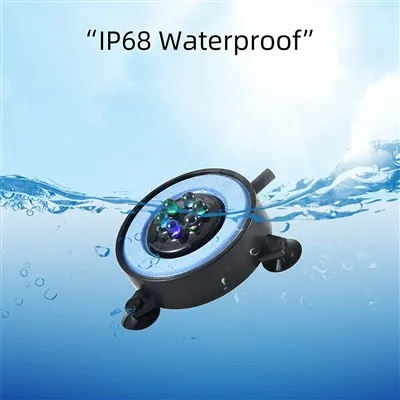
Because these lights run in warm, humid, sometimes splashy conditions, build quality matters. A display fixture should have a solid aluminum heat sink and a waterproof rating of IP67 or IP68, with a rated lifespan of 30,000 to 50,000 hours. UVB lamps should come from reputable makers who publish honest output figures and clear replacement intervals, since a poorly made UVB lamp may give too little ultraviolet from the start. Mounting hardware should hold fixtures securely over a basking area where heat and moisture are constant. Good build quality keeps the whole system reliable and safe.
Safety and Compliance Standards
Every electrical device in this kind of setup must be safe and certified. For Europe, look for CE marking covering electrical and electromagnetic safety, plus RoHS to limit hazardous substances. For North America, FCC covers emissions and UL or ETL covers electrical safety. Display lights over water should carry a clear IP waterproof rating, and quality fixtures meet IEC 62471 for photobiological safety. Choosing certified equipment from a trustworthy source protects your animals and your home.
Industry Trends in 2025 and 2026
Lighting for mixed setups is getting smarter and more integrated. Combination fixtures that pair LED display lighting with UVB in a single unit are becoming more common, simplifying turtle and reptile habitats. Some new UVB products include indicators or meters that help owners know when output is fading and replacement is due, solving the old problem of invisible decline. And efficient, tunable LED display lights now let owners dial in vivid color and natural daylight cycles alongside the health lighting. The direction is clear: setups that deliver both great looks and proper animal health with less guesswork.
Frequently Asked Questions
Q: Do aquarium fish need UVB light?
A: No. Most fish get the vitamin D they need from their diet, so a fish-only or planted tank needs only good display Aquarium Lights. UVB is for basking animals like turtles, amphibians, and reptiles.
Q: Can a regular aquarium light provide UVB?
A: No. Standard aquarium LEDs are made for viewing and plants and do not produce meaningful UVB. If your animal needs UVB, you must add a dedicated UVB lamp.
Q: How often should I replace a UVB lamp?
A: Usually every 6 to 12 months, even if it still lights up. UVB output fades over time while the visible light remains, so a working-looking lamp may no longer provide enough ultraviolet.
Q: Can I use one light for both looks and UVB?
A: Only with a combination fixture designed to do both. A normal display light cannot provide UVB, and a UVB lamp alone will not give you a vivid, well-lit tank, so most setups run separate lights or a true combo unit.
Q: Where can I buy quality aquarium and UVB lighting?
A: Look for a manufacturer or factory that publishes spectrum, output, IP rating, and CE, FCC, and RoHS certification, and that gives honest UVB replacement guidance. Established suppliers also offer wholesale pricing for stores and breeders.
Find the Right Lighting Combination for Your Tank
Setting up a turtle tank, paludarium, or reptile habitat means getting several lights to work together, and the wrong choice can cost you in animal health or a dull-looking display. We manufacture a full range of Aquarium Lights, from vivid clip-on and RGB display fixtures to reliable supporting gear, all built with waterproof housings and full CE, FCC, and RoHS certification. If you run a store or wholesale business,