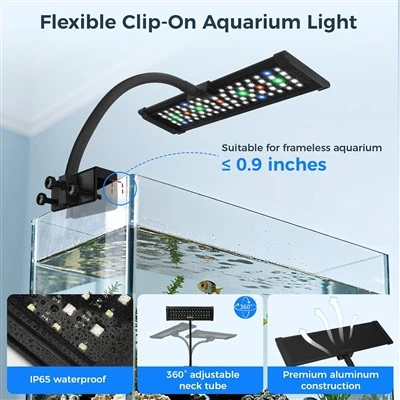
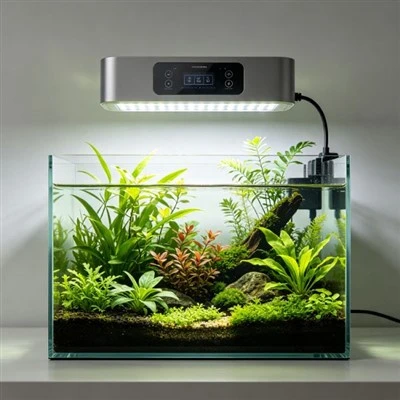
一,A review of the functioning of the IP65 protective systemThe IP65 rating for the aquarium lamp indicates that it has a high resistance to dust and can tolerate water jets coming from any direction; nevertheless, it cannot be submerged in water for an extended period of time. Most Aquarium Lights do not require the lighting fixtures to be fully submerged in water, so this level of protection is usually adequate for daily aquarium use. Instead, the lighting fixtures are designed to survive occasional splashes of water, dampness, or water jets during any cleaning process.
Resilience against dustLevel 6 shows that the lamp is entirely dustproof and has the ability to properly keep dust from entering its interior. When it comes to Aquarium Lights, this is of utmost importance because the aquarium is frequently filled with moisture and small particles, and a design that is dust-proof helps to extend the lamp's lifespan.the capacity to be waterproofIt is possible for the aquarium lamp to endure water jets coming from any direction if it is upgraded to Level 5. During the process of cleaning an aquarium, for instance, there is a possibility that water flow will unexpectedly spill onto the lighting fixtures. However, an IP65 certification is adequate to guarantee the safety of the accessories. It is possible for the waterproof capability of IP65 to effectively avoid damage in situations that need frequent cleaning or aquarium overflow.
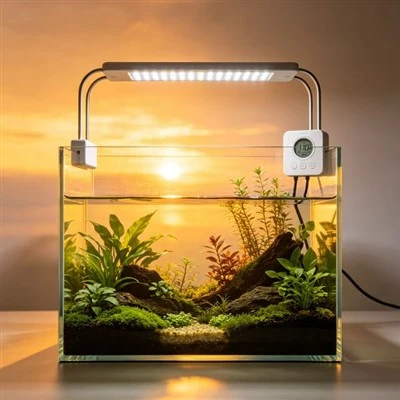
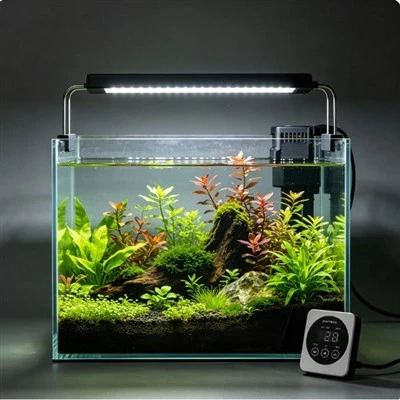
二, Actual demand for bulbs designed for aquariumsIn addition to assisting aquatic plants in the process of photosynthesis and ensuring that the aquarium remains in a state of ecological equilibrium, the primary purpose of aquarium lights is to supply the aquarium with an adequate amount of light. Aquarium lamps are usually mounted on the tank's top or side. It is not necessary for the lights to be totally submerged underwater,
lthough they may be exposed to water vapor, moisture, and even the occasional impact from water flow. IP65's protection level is usually enough for most family users.You may need to select products with higher waterproof levels if you have a more complicated aquarium system, such as the requirement to completely submerge the lighting fixtures in water or the need to work in extremely humid environments. For example, you may need to select products with an IP67 rating, which allows them to soak in water for a short period of time at a certain depth, or an IP68 rating, which allows them to soak in water for a longer period of time. On the other hand, IP65 already offers adequate protection for aquariums that are not particularly large.
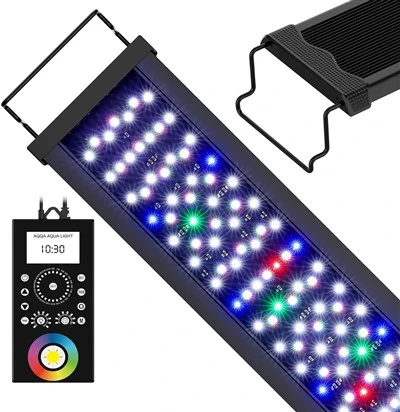
三, Additional factors to take into account when selecting aquarium bulbsWhen it comes to selecting aquarium lights, it is important to consider not only the waterproof and dustproof ratings but also the following aspects:In terms of light spectrum and brightness, various aquatic plants and fish have varying requirements for the amount of light they receive. Through the selection of a suitable spectrum of aquarium lamps, it is possible to encourage the growth of plants and enhance the viewing experience of the aquarium.
In general,LED aquarium lights are more energy-efficient and have a longer lifespan, making them an ideal choice.LED aquarium lights have become increasingly durable recently.Managing temperature is crucial because the heat dissipation performance of aquarium lamps significantly affects both their longevity and the stability of the aquarium environment. This is because overheating can have an effect on the longevity of the lamps as well as the stability of the aquarium environment, potentially leading to equipment failure and harm to aquatic life.