Most People Think Aquarium Lights Are Just for Looking at the Fish
It's a common starting point: you set up a new tank, add some fish, and notice everything looks dim. A quick search leads to an inexpensive light, and that's often where the journey ends for many hobbyists. The tank becomes visible, fish colors pop a bit, and life goes on - until the plants melt, corals fade, or green hair algae takes over.
The mistake? Treating aquarium lights like ordinary room lamps. In reality, light is one of the most powerful environmental factors in your tank. It drives biological processes that keep your aquatic world balanced. Underestimating this leads to mismatched setups, wasted money on replacements, and frustrated results.
Letting You Actually See and Enjoy the Tank
The most obvious role is illumination for viewing. Good aquarium lighting reveals the true beauty of your setup: vibrant fish coloration, the depth and texture of aquascaping, and the fluorescence in corals.
Key factors here include Color Rendering Index (CRI) and full-spectrum output. Lights with high CRI (90+) make colors appear natural and vivid rather than washed out. Modern LED aquarium lights excel here, offering adjustable channels for whites, blues, and reds that enhance the underwater "pop" without distorting hues.
Powering Photosynthesis for Live Plants
Live aquatic plants aren't just decoration - they compete with algae, absorb nutrients, and oxygenate the water. They rely on photosynthesis, which requires appropriate light.
The key metric isn't watts or lumens, but PAR (Photosynthetically Active Radiation), measured in µmol/m²/s. This quantifies the usable light plants actually absorb (400-700nm range).
Low-light plants (e.g., Anubias, Java Fern, Cryptocoryne): 15-50 PAR at substrate level.
Medium-light plants (e.g., most stem plants, Vallisneria): 50-100 PAR.
High-light plants (e.g., carpeting species like HC Cuba, red Rotala): 100-200+ PAR, usually requiring CO₂ injection and strong fertilization.
Too much light without matching CO₂ and nutrients often causes algae outbreaks - a classic newbie pitfall. Balance is everything.
Supporting Coral Growth in Reef Tanks
In marine reef aquariums, lighting is even more critical. Corals host symbiotic zooxanthellae (algae) that provide most of their energy through photosynthesis. Without sufficient light, corals starve, lose color, and eventually die.
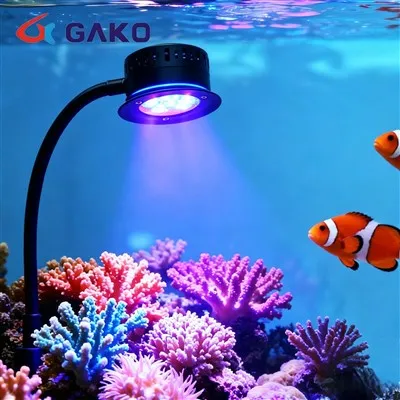
High-power options like the 50W High Power Coral Reef Aquarium Light are designed for this. These deliver intense, penetrating PAR suitable for demanding SPS and LPS corals.
Typical PAR ranges (measured at coral placement):
Soft corals: 50-150 PAR
LPS corals: 75-250 PAR
SPS corals: 200-400+ PAR
Reef lights often emphasize blue and violet spectra to promote fluorescence and mimic deeper reef conditions while providing the full spectrum needed for growth.
Comparison Table - Light Needs by Tank Type
|
Tank Type |
Typical PAR Range (at substrate/corals) |
Recommended Photoperiod |
|
Fish-Only |
10-30 (viewing only) |
8-10 hours |
|
Low-Light Planted |
15-50 |
6-8 hours |
|
High-Light Planted |
80-150+ |
8-10 hours (with CO₂) |
|
Mixed Reef / Coral |
50-400+ (species dependent) |
10-12 hours |
Adjust based on tank depth - PAR drops significantly with water column height.
Regulating Fish Behavior and Day-Night Rhythm
Fish, like most animals, have circadian rhythms influenced by light. Consistent photoperiod (light/dark cycle) reduces stress, supports natural foraging and resting behaviors, and can even aid breeding.
Aim for 8-12 hours of light per day, mimicking natural day length. Features like sunrise/sunset ramping (gradual intensity changes) prevent startling fish, unlike abrupt on/off switches. Avoid erratic schedules, such as turning lights on and off multiple times daily.
A Supporting Role in Breeding Setups
In breeding tanks, lighting helps simulate seasonal changes. Gradually extending photoperiod can trigger spawning in some species by mimicking spring conditions. However, it's one supporting factor among many (water parameters, temperature, diet). Dedicated breeding articles explore this further.
Clip-On Aquarium Light Where the Simple Option Actually Makes Sense
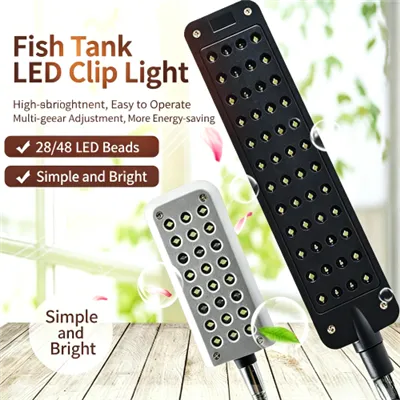
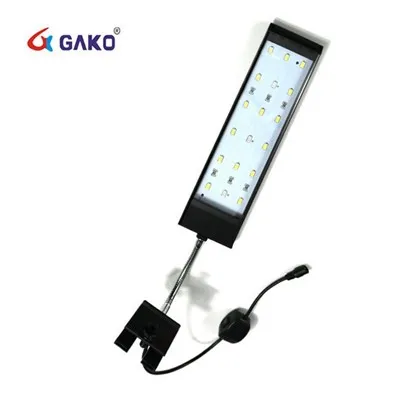
Not every tank needs a massive fixture. Clip-On Aquarium Light models shine in small tanks, desktop setups, quarantine tanks, or breeding systems. They offer easy installation, space-saving design, and sufficient output for low-to-medium needs without complex controllers.
In commercial or multi-tank environments (shops, breeding facilities), their flexibility and efficiency make management much easier.
Common Mistakes People Make With Aquarium Lighting
Focusing only on wattage instead of PAR and spectrum.
Using the same photoperiod and intensity for every tank type.
Ignoring ramping features, causing fish stress.
Over-lighting without balancing CO₂/nutrients, leading to algae.
Cheap lights with poor color rendering or short lifespans.
Real Example A GAKO Case Study on Matching Light to Tank Purpose
One retail client managed multiple display tanks with uniform lighting. Fish-only tanks looked flat, planted sections struggled, and coral displays showed poor growth and coloration. After switching to purpose-matched solutions - 50W High Power Coral Reef Aquarium Light for reef displays and versatile Clip-On Aquarium Light models for smaller/breeding tanks - results improved dramatically: healthier livestock, better colors, reduced algae, and higher customer engagement. Proper matching transformed their showroom.
A Note on Industry Standards and Recognition
Reputable manufacturers like GAKO prioritize safety and quality with certifications such as CE, FCC, RoHS, and compliance with relevant IEC standards for aquarium luminaires. These ensure reliable, safe performance in humid environments.
How to Choose the Right Aquarium Light for Your Setup
Define your tank's primary goal (fish viewing, planted, reef, breeding).
Research specific PAR needs for your plants/corals.
Prioritize full-spectrum LEDs with timers and ramping.
For multi-tank or space-limited setups, consider clip-on options.
Check reviews for real-world PAR measurements and longevity.
F A Q
Q: Do fish actually need aquarium light to survive?
A: No, fish don't need light for survival, but consistent lighting supports their natural rhythms and lets you observe them.
Q: What's the difference between watts and PAR for aquarium lighting?
A: Watts measure power consumption; PAR measures usable light for photosynthesis. Always prioritize PAR.
Q: How many hours a day should aquarium lights be on?
A: Typically 6-10 hours for planted tanks, up to 12 for reefs. Consistency matters more than exact duration.
Q: Does a coral reef tank need a different light than a fish-only tank?
A: Yes - reef tanks require higher intensity, specific spectra, and often more powerful fixtures like 50W high-power models.
Q: Can too much aquarium light cause algae problems?
A: Absolutely. Excess light without balanced nutrients/CO₂ fuels algae. Match lighting to your setup's capabilities.
Q: Is a clip-on light powerful enough for a planted tank?
A: Yes, for small or low-light setups. Larger or high-light tanks may need stronger fixtures.
Q: Does light affect fish stress levels? Yes. Stable, gradual cycles reduce stress; sudden changes increase it.
A: Where can I learn more about choosing lighting for specific setups like breeding tanks?
Final ThoughtsLight Is a Tool, Not Just a Decoration
Aquarium lights are ecosystem engineers. By choosing the right one - whether a high-power 50W Coral Reef Aquarium Light, a convenient Clip-On Aquarium Light, or a versatile system from a trusted manufacturer like GAKO - you set your tank up for long-term success.
Visit our aquarium lights collection to find the perfect match for your setup. Light wisely, and watch your underwater world thrive.
This article serves as a foundation for deeper dives into specific topics. Questions?Comment below or reach out