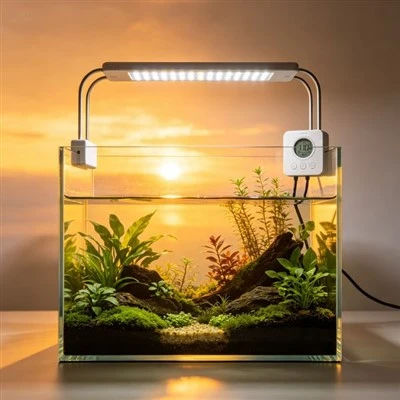
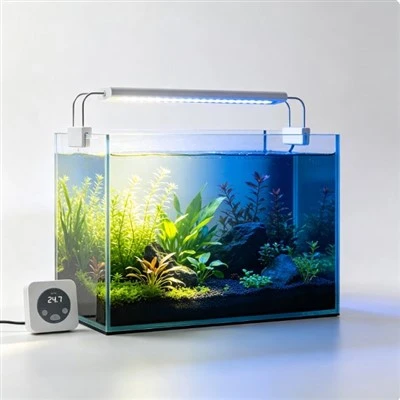
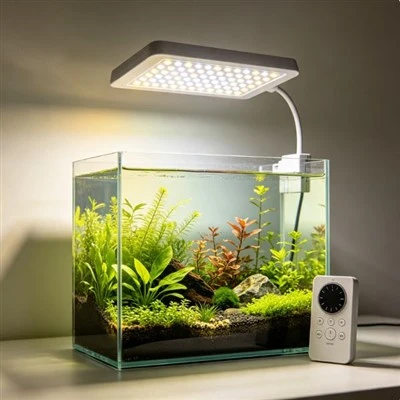
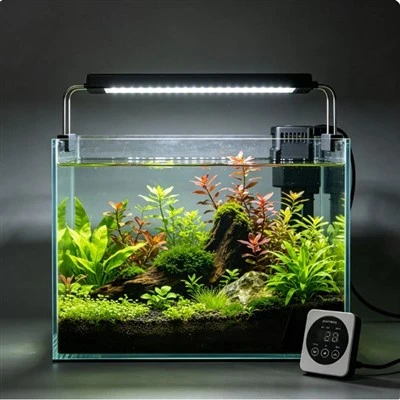
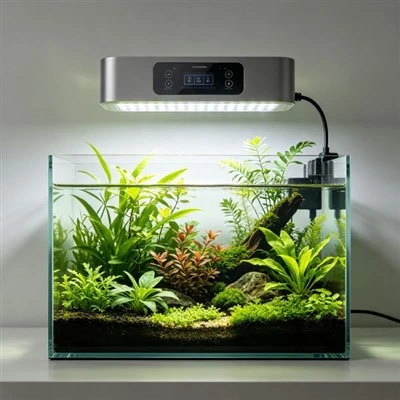
Waterproof dive lights are very popular for aquarium lighting these days because they can be put directly in water to light it up. Diving lights are helpful for several things, such as showing off decorative fish, making the water look like a landscape, or giving corals and aquatic plants the right amount of light. But a lot of aquarium fans and professionals are worried about one thing: Are waterproof diving lights truly safe to use in freshwater and saltwater aquariums for a long time?
1. The level of waterproofing affects safety.
The waterproof rating (IP rating) of waterproof dive lights is directly related to how safe they are. An aquarium's dive light should have an IP68 rating, which implies it can be totally immersed in water without losing power. It is better for short-term exposure to water if it is only classified at IP65 or IP67. It is not good for long-term immersion.
In fresh water, IP68 diving lights are safer to use and less likely to corrode from electricity.
Seawater environment: Seawater contains a lot of salt in it, is more corrosive, and needs stronger metal shells and seals. So, you need to find dive lights that are made for use in seawater.
2. The material and how well it resists rust
The lamp body material also affects how safe it is to use for a long time.
For everyday use in freshwater, regular waterproof materials like ABS plastic and stainless steel shells work just well.
When using sea water, you need to have a design that protects against salt spray and corrosion. Common materials are high-quality stainless steel (such 316L), engineering polymers that don't rust, and specific coatings that protect against salt. If these aren't used, metal will rust and sealing gaskets will wear out faster.
3. Safety and upkeep of electrical systems
Diving lights are waterproof, but you still need to think about electrical safety.
Transformer and power isolation: Most high-quality diving lights use low-voltage power supplies, such 12V or 24V. This makes it less likely that someone will get shocked if water leaks into the light.
Check the seal often: soaking for a long time can make the sealing ring wear out faster. You should check the lamp body for cracks or water leaks every six to twelve months.
Cleaning regularly: Algae and scale will stick to the water, whether it is fresh or saltwater, and will need to be wiped off often to keep the lighting and heat dissipation from being affected.
4. Differences between LED and traditional light sources
LED waterproof diving lights are safer than halogen or fluorescent lights for long-term use:
LED doesn't become very hot, thus it won't hurt the sealing parts because of high temperatures.
Less power use means less electrical burden.
Longer service life (typically more than 30,000 hours), which lowers the danger of seal failure from having to take it apart and put it back together a lot.