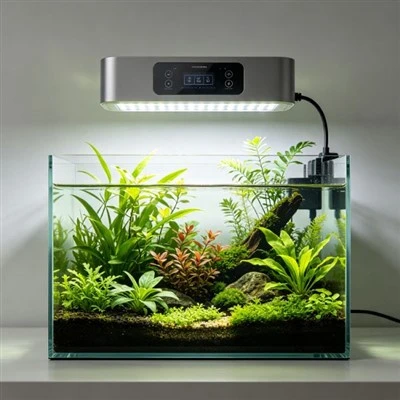
一,What are the spectral characteristics and design purposes of aquarium lamps
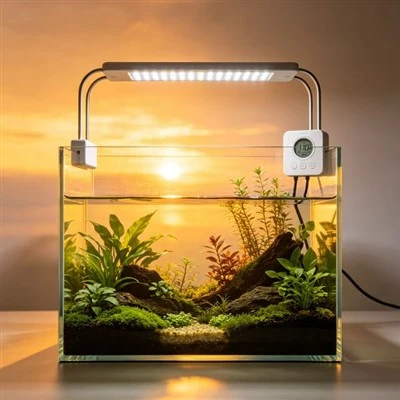
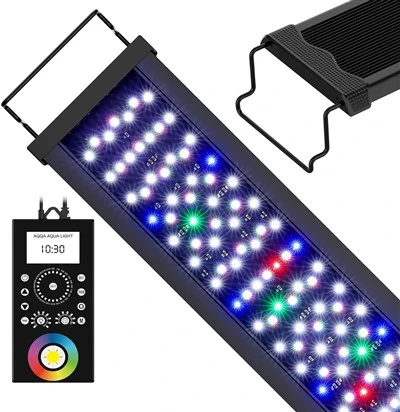
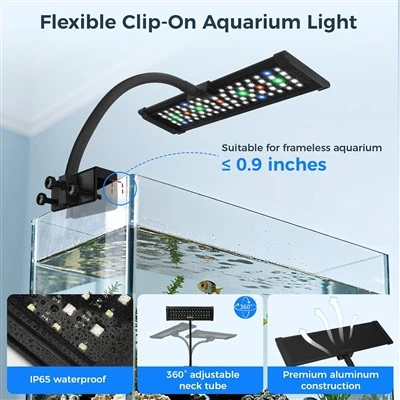
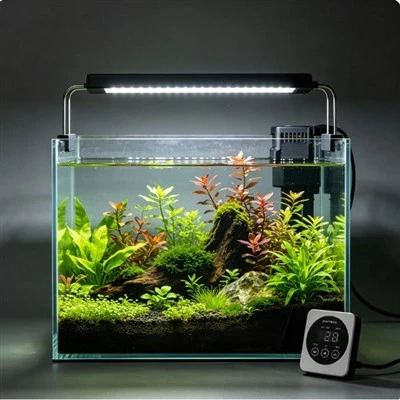
aquarium lights fixtures' spectral structure propertieTo improve the capacity to penetrate water, the blue light band is utilized.Band of green light: Enhance visibility generallyThe natural setting is portrayed by the white light band.To a lesser extent, some models will emit a crimson glow.The design prioritizes fish tank views over plant photosynthesis efficiency.
Typically, aquarium lights have a warmer color temperature.
The majority of aquarium lights have a color temperature that falls within:The range of 6000K to 10000KLights with a high color temperature could look like sunlight, but they might not have enough red light.What is more important for plant growth is:Philips 660 nm deep redwavelength of blue light: 450 nanometers aquarium lights are not additional lighting devices for plants from a spectrum efficiency standpoint.
二, How do plants actually get the light they need? Examination of fundamental markers of photosynthesis
Photosynthetically active radiation is more important than "brightness" for plant growth.
One important signal is the PPFD value.
"Photosynthetic Photon Flux Density" (PPFD) means:
A measure of how many photons a given area of plants can absorb.
The standard unit is:the rate in μmol/m²/s
The amount of PPFD needed by various plants varies:
Reduced light conditions: 50-150
Plants that need medium light: 150-300
Exquisite plants: more than 300
It can be difficult for users to determine the actual effect of ordinary household aquarium lamps because they rarely give clear PPFD labeling.
Plant morphology is influenced by the red-to-blue light ratio.
Here is how plants react to various light wavelengths:
Chloroplast formation is accelerated by blue light.
Flowering and fruiting are both accelerated by red light.
Enhancing photosynthetic efficiency through red-blue light synergy
The following could happen if the red light ratio is inadequate:
Overgrowth of plants
三, How may aquarium lights be utilized to illuminate houseplants
You can't use aquarium lights on every plant.
Actually, under some circumstances, aquarium lights can actually work as additional sources of light.
Plants that can survive in partial shade or low light circumstances
Some plants don't need as much light as others:
pothosDelicious monsteraDandelion root
Miniature ornamental plants of the vanilla kind
For temporary aquarium lighting, you can utilize some vanilla plants, like:fresh mintherb basilMiniature green leafy veggiesBe that as it may, you must guarantee both the lighting duration and the lamp's power.
Recommended duration of irradiation:Over eight hours dailyPreferably, store it for no more than 12 hours.On the other hand, it could mess with plants' natural clocks.
Reduced photosynthesis efficiency in plants is caused by an inadequate red light band.Here are some common symptoms:Missing leaf development Impairment in branching capacityLengthened period of bloomingThe effect is more noticeable, particularly on plants that produce flowers.The elongation phenomenon is (2) readily apparent.The most prevalent issue with indoor plants that receive additional light is their rapid growth.In low light conditions, plants will elongate their stems to reach the light sources.Excessive growth diminishes the plant's resistance to lodging and lowers its decorative value.
Commercial planting is not advised.
In cases where it is grown for commercial purposes or for plants with great monetary worth, like:
Plants in containers
Growing fruits and vegetables
Production of seedlings for industrial use
Use professional plant growth lights if you want your plants to thrive.
plant lighting business frequently makes use of agricultural grade light source systems, for instance.
四, How can I choose the right lights for my indoor plants
Check out these guidelines if you're thinking about buying fill lights.
Prioritize choosing full spectrum plant lamps
In terms of structural similarity to natural sunshine, full spectrum lamps are preferable.
Presently, the most popular brands on the market are:
Lights by Philips
When it comes to lighting plants, these brands have the technology down well.
Irradiation area and power should be carefully considered.
Reference for general experience:
An appropriate 10W light for a 0.3 ᎏ area.
Up to 0.6 square feet can be covered by 20W.
Greater than 40W is ideal for more expansive areas
Thoroughly use PPFD settings.