Why the First Few Days Decide a Fry's Survival
A newly free-swimming fry has only a tiny reserve of energy from its yolk sac. Once that runs out, it must find food fast or it dies. The window is short, sometimes just a couple of days, and the fry that learn to eat in that window survive while the rest do not. So the goal of a fry tank is simple: make it as easy as possible for every fry to find and catch food right away. Lighting turns out to be one of the biggest levers you have, because most fry hunt with their eyes.
The right Aquarium Lights can genuinely lift your first-feeding rate, and here is how.
How Fry Actually Find Their First Food
Most Fry Are Visual Hunters
The vast majority of fish fry locate food by sight. They drift through the water, spot a moving speck, and dart at it. If they cannot see the food, they cannot eat it, no matter how much you add. This is why a tank that is too dark often produces poor survival even when the breeder is feeding generously. The food is there; the fry simply cannot find it.
Why Tiny Food Needs Good Light to Be Seen
First foods are minuscule, things like infusoria, microworms, or freshly hatched baby brine shrimp barely visible to us. For a fry to target one of these, the food has to stand out against the background, and that takes adequate, even light. Baby brine shrimp are a great example, because their orange color shows up beautifully under good lighting, triggering a strong feeding response. Light up the tank correctly and the fry's whole world becomes full of catchable targets.
How Light Affects the First-Feeding Rate
Too Dim, Too Bright, or Just Right
There is a sweet spot. Too dim and fry cannot see their food, so feeding response drops. Too bright or too harsh and many fry get stressed, hide in corners, and stop hunting. The goal is moderate, even, gentle light that fills the tank without glare. Here is how it plays out.
|
Light Condition |
Fry Response |
Result |
|
Too dim |
Cannot see food |
Low first-feeding rate |
|
Moderate and even |
Easily targets food |
High first-feeding rate |
|
Too bright or harsh |
Stressed, hides |
Reduced feeding |
Color and Contrast Help Fry Target Food
Beyond brightness, contrast matters. Light that renders colors well makes orange brine shrimp or pale microworms pop against the substrate, so fry lock on faster. A light with good color rendering effectively makes the food more "findable," which nudges your feeding rate up. This is one reason breeders increasingly use quality LED fixtures over old dim bulbs.
The Right Photoperiod for a Fry Tank
Because fry have tiny stomachs and high energy needs, they must eat little and often, which means they need plenty of lit hours to feed during. Many breeders run a longer photoperiod for fry, often 12 to 14 hours a day, to give the babies a wide feeding window and steady visibility. That said, species differ. Some fry, such as certain catfish and loaches, actually prefer dim conditions in their first days and can be stressed by bright light, so always check the needs of your particular species. As a rule, egg-scatterers and livebearer fry like good light, while a few shy species want it dialed down at first.
Why a Clip-On Light Suits Small Fry Tanks
Small Grow-Out Tanks and Easy Mounting
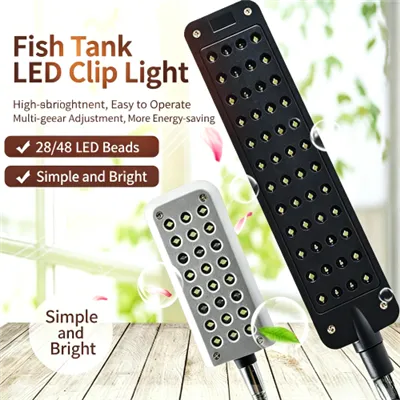
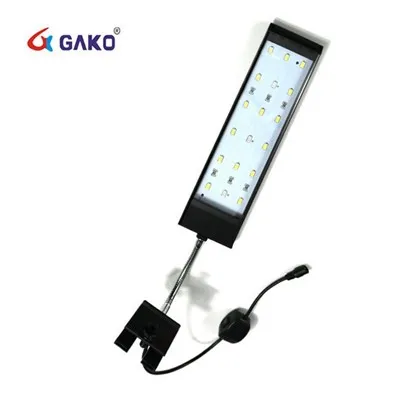
Fry are almost always raised in small, bare grow-out tanks, and that is exactly the setup where a clip light excels. A Clip-On Aquarium Light clamps straight onto the rim of a small tank, needs no lid or bracket, and installs in seconds. For a breeder running several little fry tanks at once, that simplicity and low cost are a real advantage, and the compact size keeps the setup tidy. Because these lights are usually modest in output, they tend to deliver the gentle, even illumination fry prefer rather than blasting them.
Adjusting Distance to Control Intensity
One quiet benefit of a clip mount is easy height adjustment. Light intensity falls off quickly with distance, so raising the fixture a few centimeters softens it and lowering it brightens it. If your fry seem skittish, lift the light; if they cannot find food, bring it a little closer. That fine control over a small tank is hard to beat, and it lets you tune the exact conditions a given species needs.
Species Examples
Betta Fry
Betta fry are tiny and start on infusoria before moving to baby brine shrimp. A gentle, even light over the small grow-out tank, run around 12 hours a day, helps them spot that first food and start feeding strongly, which is critical given how small they begin.
Angelfish Fry
Angelfish fry become free-swimming after a few days and feed readily on baby brine shrimp. Good, even lighting makes the orange shrimp easy to see and triggers an eager feeding response, lifting the share of fry that start eating right away.
Killifish Fry
Many killifish fry are surprisingly capable hunters from day one, taking brine shrimp almost immediately. Clear, moderate light helps them target prey across the tank and supports strong early growth.
Light Plus the Other Feeding Factors
Lighting helps, but it works alongside the rest of good fry care, not instead of it. The food has to be the right size, small enough for a tiny mouth, which is why first foods are so fine. Feeding frequency matters too, often three to five small meals a day rather than one big one, since fry digest fast and feed continuously. And water quality must stay clean, supported by gentle filtration and small frequent water changes, because excess food fouls a fry tank quickly. Get the light right so fry can see, then line up food size, feeding frequency, and clean water, and your first-feeding rate climbs.
Materials and Build Quality
Even a small fry light should be well made, because it runs long hours in a humid space. Look for a fixture that spreads light evenly rather than casting a hot spot, since even illumination is exactly what fry need. A solid aluminum body or heat sink keeps the LEDs cool and protects their rated lifespan of 30,000 to 50,000 hours. A waterproof rating of IP67 or IP68 handles the splashes and humidity above an open tank. And dimmable output is a real bonus on a fry tank, letting you fine-tune intensity to the species without swapping fixtures. These qualities are what separate a dependable Clip-On Aquarium Light from a throwaway one.
Safety and Compliance Standards
A light running over water for hours needs proper certification. For European markets that means CE marking for electrical and electromagnetic safety, plus RoHS to limit hazardous materials. For North America, FCC covers emissions and UL or ETL covers electrical safety. Many quality fixtures also meet IEC 62471 for photobiological safety. Choosing certified lighting from a reputable source protects both your fish and your home during all those unattended hours.
Industry Trends in 2025 and 2026
Breeding lighting keeps getting more flexible. Dimmable LEDs let breeders tune intensity to each species, which is ideal when some fry want bright light and others want it soft. App and timer control makes it easy to hold a steady 12 to 14 hour fry photoperiod automatically. And full-spectrum fixtures render food colors better, helping fry spot prey. The clear direction is toward affordable, tunable lights that give breeders precise control over the conditions their fry need.
FAQ
Q: Does light really help fish fry start eating?
A: Yes. Most fry hunt by sight, so adequate, even light helps them see and target their first food, which raises the first-feeding rate. A tank that is too dark often produces poor survival even with plenty of food added.
Q: How many hours should I light a fry tank?
A: Many breeders run 12 to 14 hours a day to give fry a long feeding window, since they eat little and often. Some shy species prefer dimmer conditions at first, so check your particular fish.
Q: What light is best for a small fry tank?
A: A gentle, even, dimmable LED works best. A Clip-On Aquarium Light is ideal because it mounts easily on small grow-out tanks and lets you adjust height to control intensity.
Q: Can light be too bright for fry?
A: Yes. Harsh, intense light stresses many fry, causing them to hide and stop feeding. Moderate, even light is the sweet spot, which is why dimmable fixtures are so useful.
Q: Where can I buy reliable fry-rearing lights?
A: Look for a manufacturer or factory that lists wattage, dimming, IP rating, and CE, FCC, and RoHS certification. Established suppliers also offer wholesale pricing for breeders and stores running multiple tanks.
Get the Right Lighting for Your Breeding Setup
If you are raising fry at scale, or stocking a store with dependable breeding gear, the lighting you choose directly affects survival rates and customer satisfaction. We manufacture a full range of Aquarium Lights, including compact clip-on models built for fry and breeding tanks, with even output, dimming, waterproof housings, and full CE, FCC, and RoHS certification. Whether you need a single reliable fixture or