Why This Is One of the Most Common Questions New Aquarium Owners Ask
New keepers often deal with green water or persistent algae and start adding equipment without a clear plan. Lighting gets blamed for algae growth, while UV sterilizers get recommended as a quick fix. The natural next question is whether the two can operate at the same time without causing new problems.
A Real Scenario - Green Water, Algae, and the Confusion Over What's Actually Causing It
A planted community tank suddenly turns cloudy green after a fertilizer dose or a jump in nutrients. The owner already runs a full-spectrum aquarium light on a fixed schedule. Advice online quickly points to a UV sterilizer. Then the doubts appear: Will the UV harm the plants? Does the display light reduce the sterilizer's effectiveness? Should the two run on opposite schedules? In most cases the green water is free-floating algae that a correctly sized UV unit can clear within days, while the aquarium light continues to support the plants. The devices do not fight each other when flow rate, placement, and timing are handled properly.
What an Aquarium Light Actually Does vs What a UV Sterilizer Does
Understanding the separate roles removes most of the confusion.
Two Completely Different Jobs That Often Get Confused
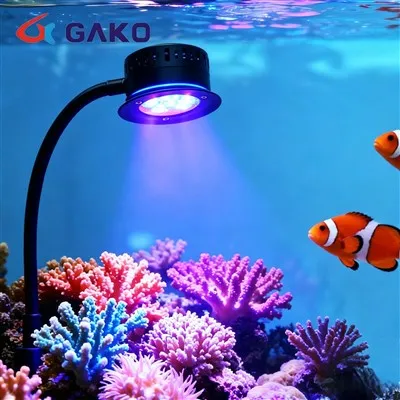
An aquarium light delivers the visible spectrum plants need for photosynthesis and makes the tank enjoyable to look at. A UV sterilizer passes water through a sealed chamber where UV-C radiation damages the DNA of free-floating organisms-algae cells, certain bacteria, and some parasites. One device lights the tank; the other treats the water column. They are not interchangeable and do not negate each other.
The Science Behind UV Sterilization - Wavelengths and What They Kill
UV sterilizers rely on a narrow band of ultraviolet light that normal display fixtures simply do not produce in useful amounts.
UV-C Range and Why It's Different From Your Display Lighting
|
Wavelength Range |
Common Name |
Primary Effect in Aquarium Use |
Typical Source |
|
100–280 nm |
UV-C |
Damages DNA/RNA of microorganisms |
UV sterilizer lamps |
|
280–315 nm |
UV-B |
Limited aquarium use; more relevant to reptiles |
Specialized bulbs |
|
315–400 nm |
UV-A |
Minimal sterilization effect |
Some full-spectrum or actinic lights |
|
400–700 nm |
Visible |
Photosynthesis and viewing |
Standard aquarium lights |
Only UV-C, with a peak around 254 nm, delivers reliable sterilization. Ordinary aquarium lights emit virtually none of this wavelength, so they neither help nor hinder the sterilizer's core function.
Does Running Both at the Same Time Cause Any Conflict
In a normal installation the answer is no.
Light Spectrum Interference - Fact or Myth
Display lighting does not neutralize UV-C inside a properly enclosed sterilizer chamber. The UV lamp is isolated from the tank's ambient light. Claims that "the light cancels the UV" usually come from misunderstanding how the equipment is built. The only practical considerations are heat, flow rate, and total electrical load-not spectrum overlap.
Does a UV Sterilizer Affect Plant Growth or Beneficial Bacteria
A correctly sized and installed UV unit has little impact on rooted plants or on the beneficial bacteria living in filter media and substrate. It mainly affects organisms that are suspended in the water.
UV Sterilizer Placement and Flow Rate - Getting the Balance Right
Contact time and flow rate determine how effective the unit is. Too fast a flow reduces kill rates; too slow a flow can cause heat buildup or limit the volume of water treated.
|
Flow Rate Relative to Tank Volume |
Approximate Contact Time |
Typical Result |
|
High (very fast turnover) |
Short |
Lower sterilization efficiency |
|
Moderate (manufacturer recommended) |
Adequate |
Good control of free-floating algae and pathogens |
|
Low (slow turnover) |
Long |
Higher kill rate but possible heat issues and lower hourly turnover |
Most manufacturers publish recommended flow ranges for each wattage. Matching your pump or filter output to those numbers keeps the unit effective without stressing the system. Note that UV is far more effective against free-floating algae than against algae already attached to glass, hardscape, or plant leaves.
Setting a Practical Schedule for Both Devices
Lighting and UV sterilization can follow independent schedules with no conflict.
Why an Aquarium Light Timer Helps You Avoid Guesswork
An aquarium light timer keeps the photoperiod stable-usually 6–10 hours depending on plant demand and algae risk-while the UV sterilizer can run continuously or on its own timer. Consistent lighting reduces stress on fish and plants and helps prevent algae triggers caused by irregular light cycles. Whether the UV unit runs during lights-on or lights-off periods makes little difference to its performance.
Mounting Considerations - Using an Aquarium Bracket Light Without Blocking UV Flow
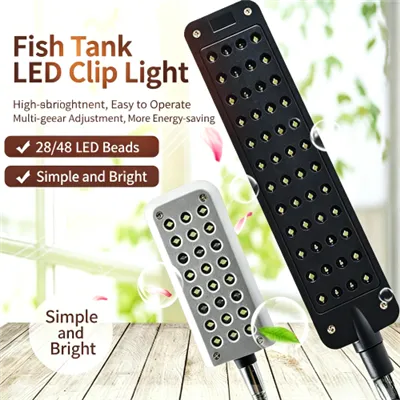
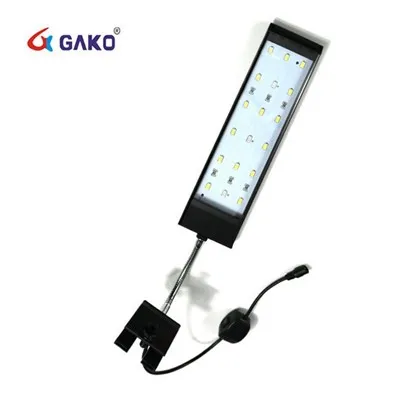
An aquarium bracket light gives flexible positioning so the display fixture does not obstruct filter intakes, return nozzles, or the tubing that feeds the UV sterilizer. Keeping water pathways clear maintains the flow rate the sterilizer needs. Bracket mounting also helps direct light where plants need it most without creating unnecessary shadows.
Do Decorative Elements Like an Aquarium Bubble Light Interfere With Either System
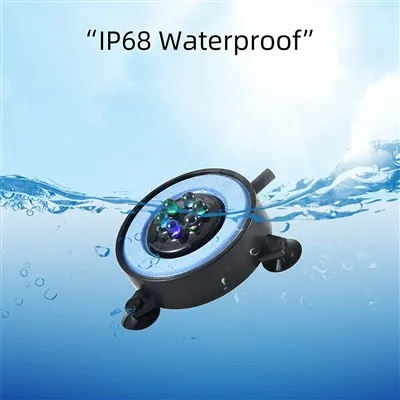
An aquarium bubble light or similar decorative piece adds visual interest and mild water movement. It produces no UV-C and does not block the sterilizer's function. As long as it does not restrict flow to the UV unit or create excessive surface agitation, it can operate alongside both the display light and the sterilizer without issue.
Aquarium Light Alone vs Aquarium Light Plus UV Sterilizer - Which Setup Fits Your Tank
A light-only setup works well for many stable, lightly stocked tanks that already have good mechanical and biological filtration. Adding a UV sterilizer becomes useful when free-floating algae (green water) keeps returning, when parasite control is a priority, or when the tank is heavily stocked. The combination does not replace regular water changes or proper nutrient control-it simply adds a targeted tool for water-column clarity and pathogen reduction.
Industry Trends - Why More Tank Owners Are Combining Lighting and UV Filtration
More keepers now treat lighting and UV sterilization as complementary tools rather than alternatives. Compact UV units, quieter pumps, and clearer published flow specifications have made the combination easier to implement. Planted-tank owners in particular often run both so they can maintain strong lighting for growth while still having a way to clear green water quickly when nutrients spike. Clearer product data from manufacturers has also reduced the guesswork that used to surround wattage and flow matching.
Safety Standards and Regulations Worth Knowing About UV Sterilizer Products
UV sterilizers are sealed units, but basic electrical and photobiological safety standards still apply. Look for products that meet relevant regional safety certifications. Never look directly at an operating UV-C lamp, and always unplug the unit before servicing.
UV Bulb Lifespan and Safe Handling Guidelines
UV-C output declines long before the bulb stops producing visible light. Most lamps need replacement every 6–12 months depending on the model and daily run time. Follow the manufacturer's schedule rather than waiting for the bulb to look dim. When replacing, avoid touching the quartz sleeve with bare hands and dispose of the old bulb according to local regulations for mercury-containing lamps.
How to Set Up Your Tank's Lighting and UV System Correctly - A Practical Checklist
Confirm the UV sterilizer is sized for your tank volume and matched to a suitable flow rate.
Install the UV unit on a bypass or in a sump/filter loop so it does not restrict main filtration.
Use an aquarium light timer to keep a consistent photoperiod for plants and fish.
Position the display light with an aquarium bracket light or adjustable mount so it does not block water flow to the sterilizer.
Run the UV continuously or on a separate schedule; simultaneous operation is fine.
Treat decorative pieces such as an aquarium bubble light as aesthetic only.
Replace the UV bulb on the recommended schedule even if it still lights up.
Keep mechanical filtration clean so the UV unit is not overloaded with debris.
Monitor green water and adjust nutrients or lighting duration if algae returns after the UV has cleared the water column.
Verify electrical safety certifications when purchasing units for multiple tanks or resale.
Sourcing Reliable Aquarium Lighting for Retail or Bulk Orders
When both lighting and UV equipment affect water quality and plant health, consistency matters.
What to Ask a Manufacturer Before a Wholesale Order
Ask an aquarium light manufacturer or aquarium light factory for clear specifications on spectrum, intensity, and recommended photoperiods. For UV-related products or combined systems, request measured output data, expected lamp life, and flow-rate guidance. When ordering wholesale aquarium lights, confirm batch consistency, warranty terms that cover performance (not only electrical function), and whether the products are positioned for planted or mixed-use tanks. Reliable technical documentation reduces the risk of supplying equipment that looks good on paper but underperforms in real aquariums.
FAQ
Q: Can I run UV sterilizer and light at the same time?
A: Yes. They perform different functions and do not interfere with each other in a normal installation.
Q: Does UV sterilizer affect plant growth?
A: A properly installed unit has minimal effect on rooted plants. It mainly targets free-floating organisms in the water column.
Q: Does UV light kill algae in aquarium?
A: It is effective against free-floating algae that cause green water. It has limited impact on algae already attached to surfaces.
Q: What is the best UV sterilizer wattage for aquarium?
A: It depends on tank volume and flow rate. Follow the manufacturer's recommendations for your specific size rather than using a generic rule of thumb.
Q: Does UV sterilizer kill beneficial bacteria?
A: It can affect bacteria suspended in the water, but the important nitrifying bacteria living in filter media and substrate are largely unaffected.
Q: Should the UV sterilizer run 24/7?
A: Many keepers run it continuously. Others run it for part of the day. Both approaches work when the unit is correctly sized and flowed.
Q: Can decorative lights interfere with a UV sterilizer?
A: An aquarium bubble light or similar decoration does not interfere as long as it does not restrict water flow to the unit.