Why Turtle Owners Keep Asking About Light and Shell Health
Shell problems are one of the most common concerns among turtle owners, and lighting comes up constantly in these conversations because it's one of the few tank variables that's easy to see and adjust. Unlike diet consistency or water chemistry, a light either turns on or it doesn't, which makes it a natural first place people look when something seems wrong.
A Real Scenario - Catching Early Signs of Shell Trouble Before It Gets Serious
Picture a turtle owner who notices their red-eared slider's shell has started looking slightly bumpy along the scutes, with growth that seems uneven rather than smooth. After checking their setup, they realize their UVB bulb had actually stopped producing usable UVB output months earlier, even though it still visibly glowed and looked fine. The bulb was providing light, just not the specific wavelength range the turtle actually needed for proper shell development. This is a genuinely common scenario, and it's exactly why understanding what your light is actually doing matters more than just confirming it turns on.
What a Healthy Turtle Shell Actually Depends On
It's Not Just Light - Diet, Calcium, and UVB All Work Together
A turtle's shell is made of bone covered by keratin scutes, and healthy development depends on several factors working together rather than any single one doing all the work. Calcium intake from diet provides the raw material for bone growth. UVB exposure allows the turtle to synthesize vitamin D3, which is required for the body to actually absorb and use that dietary calcium. Without adequate UVB, even a turtle eating a calcium-rich diet can struggle to build strong shell material, since the calcium isn't being processed properly. This is the core reason lighting keeps coming up in shell health conversations - it's not that light directly builds the shell, but it's a necessary link in the chain that lets everything else work.
How UVB Light Connects to Shell Health - The Science Explained Simply
Vitamin D3, Calcium Absorption, and Keratin/Bone Layer Development
|
Step in the Process |
What Happens |
Role in Shell Health |
|
UVB exposure (290-315nm range) |
Skin cells convert a cholesterol precursor into previtamin D3 |
Starting point for the entire calcium pathway |
|
Previtamin D3 conversion |
Body converts previtamin D3 into active vitamin D3 |
Enables calcium absorption in the gut |
|
Calcium absorption |
Active D3 allows dietary calcium to be absorbed |
Supplies raw material for bone growth |
|
Bone and scute development |
Absorbed calcium supports the bony shell layer beneath the keratin scutes |
Determines shell density, hardness, and smooth growth |
Without sufficient UVB in roughly that 290-315 nanometer range, this entire chain stalls at the first step, regardless of how much calcium is in the diet. This is why a turtle can be eating a technically well-balanced diet and still develop shell problems if the lighting setup isn't providing usable UVB.
Common Shell Problems Linked to Poor Lighting
Soft Shell, Pyramiding, and Shell Rot - What Each One Actually Means
Soft shell, sometimes called metabolic bone disease when it's more advanced, happens when calcium absorption is inadequate over time, often tied directly to insufficient UVB exposure. The shell loses proper density and can feel flexible or spongy rather than firm. Pyramiding refers to raised, dome-like growth on individual scutes rather than smooth, even growth, and while diet and humidity play a role here too, inconsistent or inadequate lighting cycles are frequently part of the underlying cause. Shell rot is somewhat different - it's typically a bacterial or fungal infection rather than a direct lighting issue, but a turtle with weakened shell integrity from poor calcium absorption is generally more vulnerable to it, since the shell's natural defenses are compromised.
Basking Light vs UVB Light vs Regular Aquarium Light - Which Ones Matter for Shell Health
A Direct Comparison of What Each Light Type Actually Does
|
Light Type |
Primary Function |
UVB Output |
Relevance to Shell Health |
|
Basking/Heat Lamp |
Provides warmth for thermoregulation |
None |
Indirect - supports digestion and activity, not D3 synthesis |
|
Dedicated UVB Bulb |
Provides UVB wavelength for D3 synthesis |
Yes, if not degraded |
Direct - essential for calcium absorption |
|
Standard Aquarium Light |
Provides visible light for viewing/plant growth |
Minimal to none |
Little to no direct role in shell health |
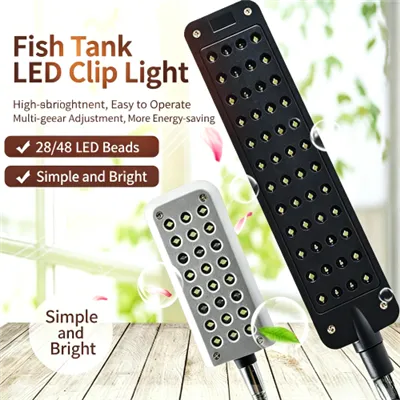
This distinction trips up a lot of new owners. A standard Aquarium Light for Turtle Shell Health setup that only includes a regular display light isn't providing the UVB a turtle actually needs, even if the tank looks well-lit. Shell health specifically depends on a dedicated UVB source, not general tank illumination.
Setting Up Lighting Correctly for Shell Development
Why an Aquarium Light Timer Keeps Your Turtle's Cycle Consistent
Turtles need a consistent day-night lighting cycle, generally around 1d off is easy to forget or run inconsistently, which is why 0 to 12 hours of light exposure daily, to support normal metabolic function and healthy shell development. Manually turning lights on anan Aquarium Light Timer is genuinely one of the more useful accessories for shell health specifically. A consistent cycle helps regulate the turtle's natural rhythm, which supports steadier calcium metabolism over time compared to an irregular lighting schedule.
Positioning With an Aquarium Bracket Light for Proper Basking Distance
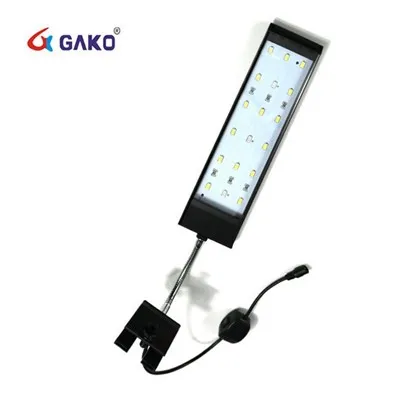
UVB output drops off significantly with distance, and most UVB bulbs are only effective within a fairly specific range, commonly somewhere around 12 to 18 inches from the basking area depending on the bulb's wattage and design. An Aquarium Bracket Light makes it easier to mount the light at a consistent, correct height above the basking platform, rather than relying on a clamp lamp that can shift position over time. Getting this distance right matters just as much as having the right bulb in the first place, since even a good UVB bulb won't provide adequate output if it's mounted too far from where the turtle actually basks.
Do Decorative Lights Like an Aquarium Bubble Light Play Any Role in Shell Health
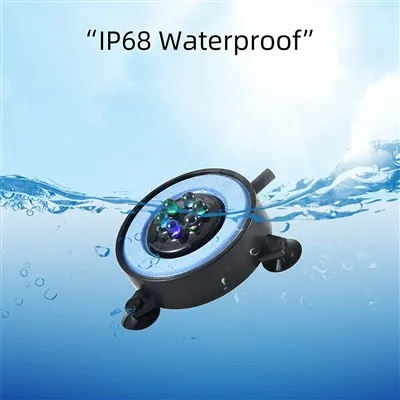
Not directly. An Aquarium Bubble Light is primarily a visual and aeration accessory, adding movement and a bit of ambient lighting to the tank, and it doesn't provide meaningful UVB output or contribute to the D3 synthesis process. That said, plenty of turtle owners use decorative elements like bubble lights alongside their dedicated basking and UVB setup purely for tank aesthetics, which is perfectly fine as long as it's not mistaken for a substitute for proper UVB lighting.
Industry Trends - Rising Awareness Around Reptile Lighting and Long-Term Health
There's been a noticeable shift over the past several years in how seriously reptile and aquatic pet owners take lighting specs, moving away from buying whatever light looks bright enough toward actually researching UVB output percentages, bulb lifespan, and proper basking distances. This has been driven partly by more veterinary and herpetological content becoming accessible online, and partly by a general trend of pet owners treating reptile and turtle care with the same seriousness previously reserved mostly for dogs and cats. For retailers, this shift means customers are increasingly asking pointed questions about UVB percentage and bulb degradation timelines rather than just buying based on price, which rewards suppliers who can speak clearly to those specs.
Regulations and Product Standards Worth Knowing About Reptile UVB Lighting
Bulb Degradation, Replacement Cycles, and Labeling Standards
UVB bulbs degrade in output well before they stop producing visible light, which is one of the most common and least understood issues in turtle shell health. Most UVB bulbs lose a significant portion of their effective UVB output within 6 to 12 months of regular use, even though they'll often keep glowing normally for much longer, which is exactly the trap the earlier scenario in this article described. Reputable manufacturers label their bulbs with expected UVB output lifespan, and it's worth checking this labeling specifically rather than assuming a bulb is still effective just because it's not burnt out. There isn't a single universal regulatory body governing UVB bulb output claims the way there might be for some other consumer electronics, which makes manufacturer transparency and third-party UVB output testing data more important when evaluating product quality.
How to Build a Lighting Setup That Supports Shell Health - A Practical Checklist
Use a dedicated UVB bulb in the 290-315 nanometer range, not just a standard display aquarium light
Position the UVB source within the manufacturer's recommended basking distance, typically 12-18 inches depending on bulb wattage
Set a consistent 10-12 hour daily light cycle using an Aquarium Light Timer rather than manual on-off switching
Track your UVB bulb's age and replace it every 6-12 months regardless of whether it still visibly glows
Pair proper UVB lighting with adequate dietary calcium, since neither works well without the other
Treat decorative lighting like an Aquarium Bubble Light as an aesthetic addition, not a substitute for UVB
Sourcing Reliable Aquarium and Reptile Lighting for Retail or Bulk Orders
What to Ask a Manufacturer Before a Wholesale Order
For retailers stocking turtle and reptile lighting products, working with a transparent aquarium light manufacturer matters more here than in a lot of other lighting categories, since UVB effectiveness genuinely affects animal health outcomes rather than just aesthetics. A reliable aquarium light factory should be able to provide documented UVB output data and expected degradation timelines for their bulbs, not just general wattage specs.
When placing a wholesale aquarium lights order that includes UVB or basking products specifically, it's worth requesting third-party UVB output testing data if the manufacturer has it, since this kind of documentation gives your customers something concrete to trust beyond marketing claims, and it tends to differentiate a serious supplier from one just selling generic reptile lighting without real output verification.
F AQ
Q: Does aquarium lighting directly help turtle shell health?
A: Not directly on its own, but dedicated UVB lighting is essential because it allows the turtle to synthesize vitamin D3, which is required for proper calcium absorption and healthy shell development.
Q: What's the difference between a basking light and a UVB light for turtles?
A: A basking light provides warmth for thermoregulation and has no UVB output, while a dedicated UVB bulb provides the specific wavelength range needed for vitamin D3 synthesis.
Q: How often should I replace my turtle's UVB bulb?
A: Most UVB bulbs lose significant effective output within 6 to 12 months, even if they still appear to work visually, so replacing on that schedule regardless of appearance is recommended.
Q: What causes a turtle's shell to go soft?
A: Soft shell is typically linked to inadequate calcium absorption over time, often caused by insufficient UVB exposure preventing proper vitamin D3 synthesis, even when dietary calcium intake seems adequate.
Q: How close should a UVB light be to my turtle's basking area?
A: This varies by bulb wattage and design, but a common effective range is roughly 12 to 18 inches from the basking platform, and UVB output drops off significantly beyond the manufacturer's recommended distance.
Q: Can a regular aquarium light replace a UVB bulb for shell health?
A: No. Standard aquarium lights are designed for visibility and plant growth and typically provide little to no usable UVB, which means they don't support the D3 synthesis process needed for calcium absorption.
Q: Does an aquarium light timer actually make a difference for turtle health?
A: Yes. A consistent 10-12 hour daily light cycle supports more stable metabolic function and calcium processing than an irregular or manually managed lighting schedule.
Q: Do decorative lights like bubble lights affect turtle shell health?
A: No, decorative lighting like bubble lights is primarily aesthetic and doesn't provide meaningful UVB output, so it shouldn't be relied on as a substitute for a proper UVB and basking light setup.