The Confusion That Starts With a Pet Store Recommendation
Many new aquarists get UVB recommendations straight from pet store staff who bundle it with general "full-spectrum" advice. The logic seems sound on the surface-sunlight has UVB, so tanks should too. But this often stems from crossover knowledge from reptile keeping, where UVB is non-negotiable for many species. Fish and reptiles have fundamentally different physiologies and environments, leading to widespread mix-ups.
What UVB Actually Does A Quick Science Refresher
UVB (ultraviolet B, roughly 290–320 nm) triggers a photochemical reaction in skin that produces vitamin D3 (cholecalciferol). This vitamin is critical for calcium absorption and bone/shell health. In reptiles and amphibians, this process happens efficiently when skin is directly exposed to UVB.
Water, however, blocks most UVB quickly-often within a few centimeters-making it ineffective for fully aquatic animals. UVA (longer wavelength) penetrates better and can influence behavior or fluorescence, while UVC is germicidal but harmful and not used in display lighting.
Do Fish Actually Need UVBThe Honest Answer
For the vast majority of ornamental fish (tropical community fish, goldfish, bettas, etc.), no-specialized UVB lighting is not necessary. Most fish obtain vitamin D through their diet, and standard full-spectrum aquarium LEDs or fluorescents provide ample visible light for plant growth, color enhancement, and circadian rhythms.
Some studies show minor benefits in specific cases (e.g., certain salmonids or shallow-water species), but evidence for broad aquarium fish is limited, and excessive UVB can stress fish, damage eyes/skin, or alter behavior. Overexposure risks outweigh unproven gains in most home setups.
Where UVB Genuinely Matters Turtle and Amphibian Tanks
This is where UVB shines. Aquatic and semi-aquatic turtles (like red-eared sliders) need UVB for vitamin D3 synthesis and to prevent metabolic bone disease (MBD), which causes soft shells, deformities, and health issues. They must bask out of water under a proper UVB source-water immersion alone doesn't deliver enough. Amphibians often benefit similarly.
Key setup: Position UVB over a dry basking area (not submerged), 10–14 hours daily, with a separate heat source. Use appropriate strength (e.g., 5.0–10.0 UVB for many aquatic turtles).
Comparison Table UVB Relevance by Tank Type
|
Tank Type |
UVB Necessary |
Reason |
|
Pure Fish/Planted |
Generally No |
Diet provides vitamin D; water blocks UVB effectively. |
|
Water Grass/Planted |
No |
Focus on PAR spectrum for photosynthesis. |
|
Coral Reef |
Sometimes (UVA/trace UVB) |
Enhances coral fluorescence and coloration, not survival necessity. |
|
Turtle/Amphibian |
Yes |
Essential for vitamin D3 and calcium metabolism via basking. |
The Coral Reef Exception - Why 150W High Power Coral Reef Aquarium Light Sometimes Includes UV
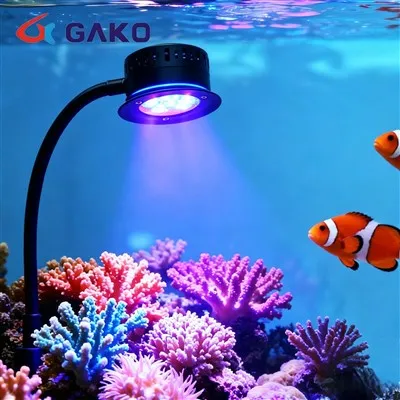
High-power reef lights, such as 150W High Power Coral Reef Aquarium Light models, may incorporate UVA or trace UVB/violet channels (380–420 nm). This isn't for vitamin D3 like in reptiles but for stimulating fluorescent proteins in corals, improving coloration (pinks, greens, oranges), and supporting zooxanthellae photosynthesis. It's an enhancement for visual appeal and minor health benefits, not a requirement like in turtle setups.
Modern LED reef lights often allow tunable UV channels for this purpose.
The Real Risks of Getting UVB Wrong
Overexposure: Can irritate fish eyes/skin or invertebrates.
Degradation: UVB output drops even if the bulb looks bright-replace every 6–12 months (fluorescents often 6–12 months; check manufacturer specs).
Algae: Excessive light (any spectrum) can fuel blooms.
Wrong Application: Using reptile UVB indiscriminately in fish tanks wastes money and risks harm.
Clip-On Aquarium Light A Practical Option for Small Turtle or Quarantine Setups
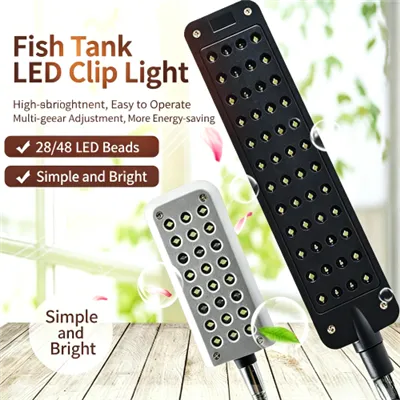
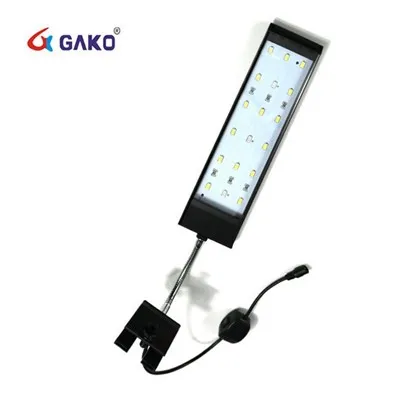
Clip-On Aquarium Light fixtures are versatile for nano tanks, quarantine, or small turtle setups. They allow easy positioning over basking areas. Look for models with adjustable arms and combined visible + UVB options, but verify spectrum output. They won't replace dedicated high-output UVB for larger turtle enclosures.
Real Example Matching Light Type to Tank Inhabitants
Many keepers initially use standard fish lights across all tanks. In one common scenario, a turtle tank showed early MBD signs (soft shell, lethargy). Switching to a dedicated UVB basking setup (tube or mercury vapor over a platform) alongside proper diet led to noticeable improvement within weeks. Pure fish tanks in the same setup thrived without changes. This highlights tailoring lighting to inhabitants.
A Note on Industry Standards and Recognition
Reputable manufacturers like GAKO follow quality standards (e.g., certifications for safety and performance) and offer specialized lines for freshwater, reef, and turtle applications. Consult suppliers for species-specific recommendations.
Common Mistakes When Thinking About UVB and Aquarium Lighting
Treating all tanks the same (fish vs. turtle).
Assuming visible brightness = UVB output.
Skipping regular bulb replacement.
Ignoring basking platforms for semi-aquatics.
Over-relying on pet store generalizations.
How to Decide If Your Setup Needs UVB
Identify inhabitants: Fish only? Skip dedicated UVB. Turtles/amphibians? Add it over basking.
For reefs: Consider UV-enhanced 150W High Power Coral Reef Aquarium Light for coloration.
Measure/setup properly and replace bulbs on schedule.
Prioritize diet, water quality, and visible spectrum first.
F A Q
Q: Why do turtles need UVB but fish don't?
A: Turtles rely on skin synthesis during basking; fish get D from food and UVB penetrates water poorly.
Q: Can too much UVB hurt fish or invertebrates?
A: Yes-stress, eye damage, or behavioral changes possible.
Q: an I use a Clip-On Aquarium Light for a turtle basking setup?
A: Yes, for small setups-ensure proper UVB output and positioning.
Q: How do I know if my aquarium setup actually needs UVB?
A: Base it on species: turtles/amphibians yes; most fish no.
Final Thoughts UVB Is About the Animal, Not the Tank
Pairing UVB with aquarium lights isn't a one-size-fits-all upgrade. It's highly effective for turtle and amphibian health but often unnecessary (or minimally beneficial) for standard fish tanks. For reef enthusiasts, targeted UV in lights like 150W High Power Coral Reef Aquarium Light can enhance colors.
Always match lighting to your tank's inhabitants. For personalized setups, reach out to experienced Aquarium Lights suppliers or manufacturers for recommendations on Clip-On Aquarium Light options and full-spectrum solutions. Healthy tanks start with informed choices-not marketing hype.