Why "Just Buy a Light" Isn't Good Enough Advice
A lot of first-time tank owners treat lighting as an afterthought, something you add mostly so you can see the fish. That's true for some setups, but it's a significant undersell for others, where lighting is doing real biological work rather than just illuminating the tank.
A Real Scenario - Same Light, Three Very Different Tanks
Picture three tank owners buying the exact same basic aquarium light fixture. One has a goldfish tank, where the light is purely for viewing and the fish don't care much either way. The second has a planted aquarium, where that same light is nowhere near intense enough to support healthy plant growth, leading to leggy, struggling plants within a few weeks. The third has a turtle enclosure, where that light provides essentially no UVB at all, leaving the turtle without the wavelength it actually needs for calcium metabolism. Same fixture, three completely different outcomes, because the light wasn't matched to what the tank actually required.
The Core Functions Every Aquarium Light Serves
Visibility, Photosynthesis, and Biological Rhythm - Three Different Jobs
Broadly speaking, aquarium lighting serves three distinct functions depending on the setup. Visibility is the simplest - letting you actually see and enjoy the tank. Photosynthesis support matters specifically for planted and reef tanks, where light drives the biological processes plants and corals depend on to grow. Biological rhythm regulation matters for basically every living tank inhabitant, since consistent light and dark cycles help regulate feeding behavior, activity levels, and in some species, hormonal and metabolic processes tied to day length.
Freshwater Fish Tanks - What Lighting Actually Needs to Do Here
For a standard freshwater fish-only tank without live plants, lighting requirements are fairly modest. The main goals are providing enough brightness to view the fish comfortably and maintaining a consistent day-night cycle so fish aren't stressed by irregular lighting. Most freshwater community fish don't have specialized lighting needs beyond this, which is why basic LED strip lights remain popular and perfectly adequate for this category.
Planted Aquariums - Why Light Spectrum and Intensity Matter More Here
PAR Values and Light Intensity for Healthy Plant Growth
Live aquatic plants need significantly more from their lighting than fish-only tanks do, since light directly drives photosynthesis. PAR, which stands for photosynthetically active radiation, is the standard measurement used to gauge how much usable light plants are actually receiving.
|
Plant Category |
Typical PAR Requirement |
Common Plant Examples |
|
Low-light plants |
15-30 PAR |
Anubias, Java Fern, Java Moss |
|
Medium-light plants |
30-50 PAR |
Cryptocoryne, Amazon Sword |
|
High-light plants |
50-80+ PAR |
Carpeting plants, red-stemmed species |
A basic fish-tank light typically delivers well below the low-light threshold for most plant species, which is why dedicated planted-tank lighting, usually with higher output and a spectrum tuned toward red and blue wavelengths that chlorophyll absorbs most efficiently, is generally necessary if you want plants to actually thrive rather than just survive.
Reptile and Turtle Tanks - A Different Set of Requirements Entirely
UVB and Basking Needs vs Standard Display Lighting
Turtle and reptile enclosures need something fundamentally different from fish or plant lighting: UVB output, generally in the 290-315 nanometer range, which supports vitamin D3 synthesis and calcium metabolism. Standard aquarium lights, even bright ones, typically provide minimal to no usable UVB, since they're engineered for visible spectrum output rather than the UV range reptiles need. This is one of the more common mismatches we see, where a well-meaning owner assumes a bright light is doing the job a UVB-specific bulb is actually required for.
Marine and Reef Tanks - The Most Demanding Lighting Category
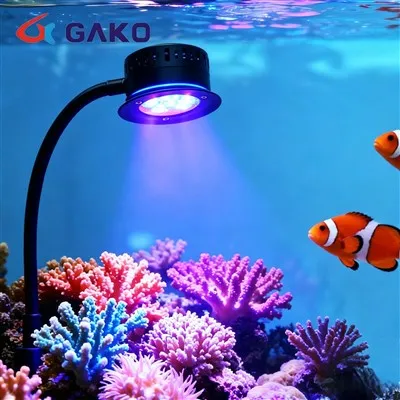
Reef tanks arguably have the highest lighting demands of any common aquarium setup, since photosynthetic corals depend on light almost as directly as plants do, often requiring PAR values in the 100-250+ range depending on the coral species being kept, along with specific spectrum requirements that mimic natural ocean light penetration. This is why dedicated reef lighting fixtures tend to be significantly more expensive and technically specified than general aquarium lights, with adjustable spectrum and intensity controls that most other tank types simply don't need.
Aquascaping and Decorative Display Setups
How an Aquarium Bubble Light Fits Into Decorative and Ambient Setups
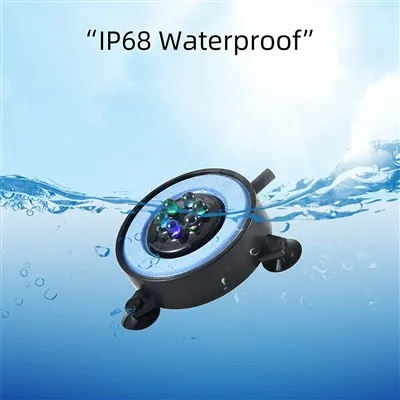
Not every lighting choice is purely functional. An Aquarium Bubble Light adds visual movement and a softer ambient glow to a tank, and it's a popular choice for aquascaped display tanks where the overall visual experience matters as much as the biological function. These are generally used alongside primary lighting rather than as a replacement for it, adding a decorative layer to an already properly lit setup rather than serving as the tank's main light source.
Automating Your Lighting Schedule Across Any Tank Type
Why an Aquarium Light Timer Is Standard Practice, Not a Luxury
Regardless of tank type, consistent lighting cycles matter for the health of whatever's living in the tank, and manually remembering to turn lights on and off every day is a common point of failure for even experienced hobbyists. An Aquarium Light Timer removes that guesswork entirely, running a steady schedule, typically somewhere around 8 to 12 hours of light depending on the tank type, without relying on someone remembering to flip a switch at the same time every day. For planted and reef tanks specifically, timer consistency also helps prevent algae bloom issues that irregular lighting schedules can trigger.
Mounting and Installation Considerations
Using an Aquarium Bracket Light for Rimless and Open-Top Tanks
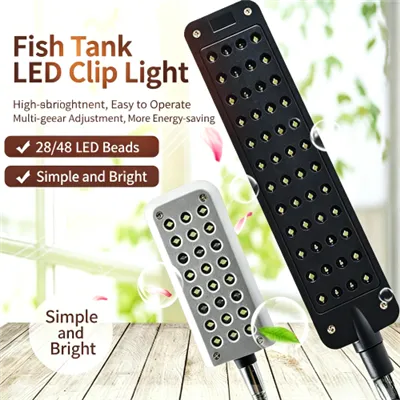
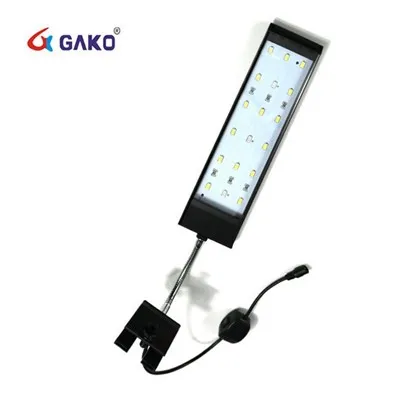
Tank design has shifted noticeably toward rimless, open-top setups in recent years, which changes how lighting actually needs to be mounted. An Aquarium Bracket Light is built specifically to clamp onto the tank's edge and suspend the fixture above the water without needing a full hood or lid, which works well for rimless tanks and also makes maintenance access easier since the light can usually be adjusted or swung aside without fully removing it. This mounting style has become increasingly common as more tank owners move away from older enclosed hood designs toward more open, aquascape-friendly setups.
Aquarium Light vs Room Lighting vs Sunlight - A Direct Comparison
|
Light Source |
Intensity Control |
Spectrum Suitability |
Consistency |
Risk of Algae/Instability |
|
Dedicated Aquarium Light |
High - fully adjustable |
Tuned for aquatic life |
Very High (with timer) |
Low, when managed properly |
|
General Room Lighting |
Low |
Not tuned for aquatic needs |
Moderate |
Moderate |
|
Direct Sunlight |
None |
Inconsistent, seasonal |
Low |
High - common cause of algae blooms |
Direct sunlight is actually one of the most common causes of algae problems in home aquariums, since it's essentially impossible to control intensity or duration, and even partial window exposure can trigger significant algae growth. This is part of why a dedicated aquarium light with a timer is generally recommended over relying on natural window light, even for tanks in naturally bright rooms.
Industry Trends - Where Aquarium Lighting Demand Is Growing
Aquarium and reptile keeping has seen sustained growth as a hobby category over the past several years, and lighting specifically has become a bigger focus area as more hobbyists move from basic fish-only setups toward planted tanks, reef systems, and more serious reptile husbandry. This has driven demand toward more specialized, spectrum-tunable lighting products rather than one-size-fits-all fixtures, along with growing interest in smart, app-controlled timer systems that let hobbyists fine-tune schedules and intensity remotely. Retailers who can clearly differentiate their lighting products by actual use case, rather than marketing everything as a generic "aquarium light," tend to convert better with this increasingly specific-minded buyer base.
Safety Standards and Regulations Worth Knowing About Aquarium Lighting
Waterproof Ratings and Electrical Safety Near Water
Any lighting fixture used near or over water needs an appropriate waterproof or splash-resistant rating, commonly expressed as an IP rating, with IP67 or IP68 generally considered suitable for direct proximity to aquatic environments where splashing or condensation is likely. Electrical safety matters more here than in most other lighting categories, given the obvious risk of combining electricity and water, so it's worth confirming that any fixture you're buying carries appropriate certification for its intended use, and that any timer or automation device used alongside it is also rated for a humid tank-side environment rather than general indoor use only.
How to Choose the Right Aquarium Light for Your Specific Setup - A Practical Checklist
Match your light choice to your actual tank type - fish-only, planted, reef, or reptile all have meaningfully different requirements
For planted tanks, check the light's PAR output against your plant species' needs rather than relying on wattage alone
For turtle or reptile enclosures, confirm the light provides genuine UVB output rather than assuming brightness equals UVB
Use an Aquarium Light Timer to maintain a consistent daily cycle rather than manual on-off switching
Consider an Aquarium Bracket Light if you have a rimless or open-top tank that needs external mounting
Confirm the fixture's waterproof rating is appropriate for close proximity to water
Sourcing Aquarium Lighting for Retail or Bulk Orders
What to Ask a Manufacturer Before a Wholesale Order
For retailers building out an aquarium lighting category, working with a knowledgeable aquarium light manufacturer matters, since the product needs actually vary so much across use cases that a one-size-fits-all product line often underperforms compared to a properly segmented lineup. A solid aquarium light factory should be able to speak clearly to PAR output for planted-tank products, UVB specifications for reptile-focused lines, and IP waterproof ratings across the board.
When placing a wholesale aquarium lights order intended to cover multiple use cases, it's worth requesting spec sheets broken out by tank type rather than a single generic product datasheet, since that segmentation makes it much easier to market each product correctly to the right customer segment once it's in your store.
F AQ
Q: What is an aquarium light actually used for?
A: Aquarium lights serve different purposes depending on the tank - basic visibility for fish-only tanks, photosynthesis support for planted and reef tanks, and UVB exposure for reptile and turtle enclosures.
Q: Do I need a special light for a planted aquarium?
A: Yes. Standard fish-tank lights usually don't provide enough PAR output for healthy plant growth, so a dedicated planted-tank light with higher intensity and a tuned spectrum is generally necessary.
Q: Can I use a regular aquarium light for a turtle tank?
A: No, not for UVB purposes. Standard aquarium lights don't typically provide the UVB wavelength range turtles and reptiles need for vitamin D3 synthesis, so a dedicated UVB bulb is required alongside any display lighting.
Q: Why does my planted tank keep getting algae even with a light on a timer?
A: This is often caused by too much light intensity or duration relative to your plant load and nutrient balance, or by additional light entering from a nearby window, rather than the timer itself being the problem.
Q: What's the difference between reef lighting and standard aquarium lighting?
A: Reef lighting typically needs to deliver much higher PAR output and more specific spectrum control to support photosynthetic corals, while standard aquarium lighting is built mainly for visibility in fish-only tanks.
Q: Do I need an aquarium light timer, or can I just turn the light on and off manually?
A: A timer is strongly recommended, since consistent daily cycles matter for fish and plant health, and manual switching is prone to inconsistency that can contribute to stress or algae problems.
Q: What waterproof rating should an aquarium light have?
A: Look for at least an IP67 rating, with IP68 being ideal for fixtures positioned very close to the water surface where splashing or condensation exposure is more likely.
Q: Is an aquarium bracket light better than a light that sits directly on the tank lid?
A: For rimless or open-top tanks, a bracket-mounted light is generally more practical, since it doesn't require a lid and typically allows easier access for maintenance without fully removing the fixture.